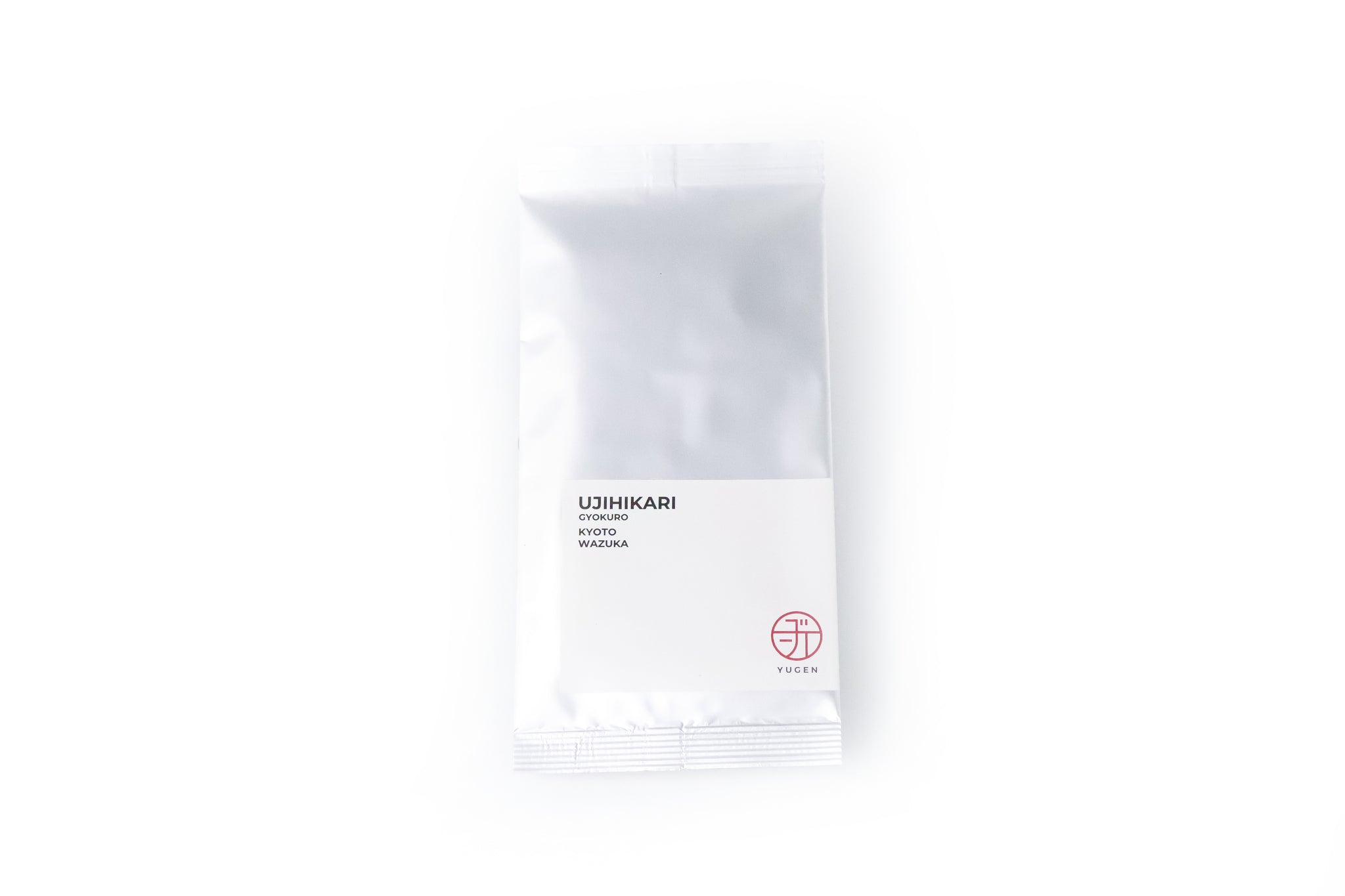
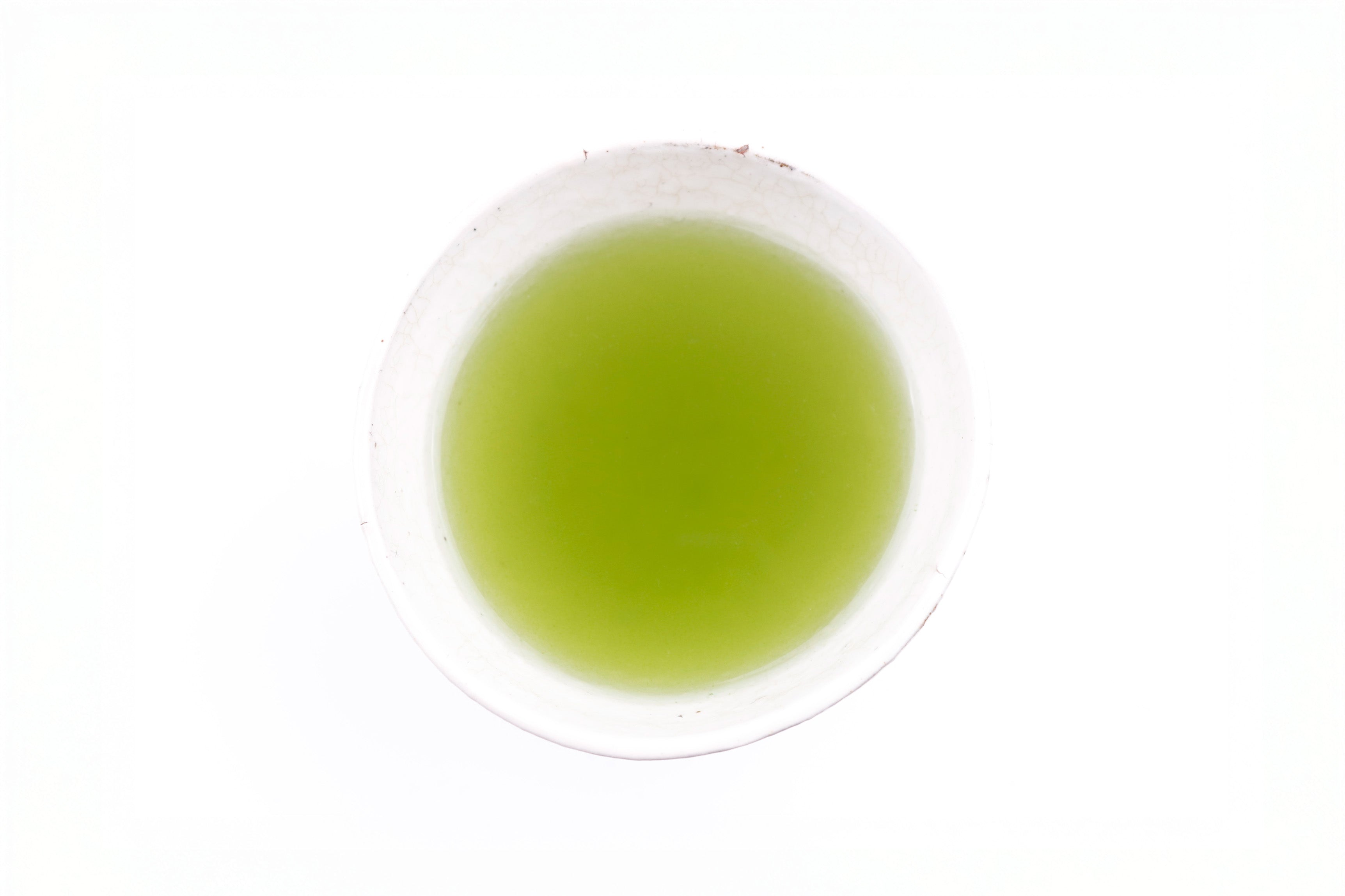
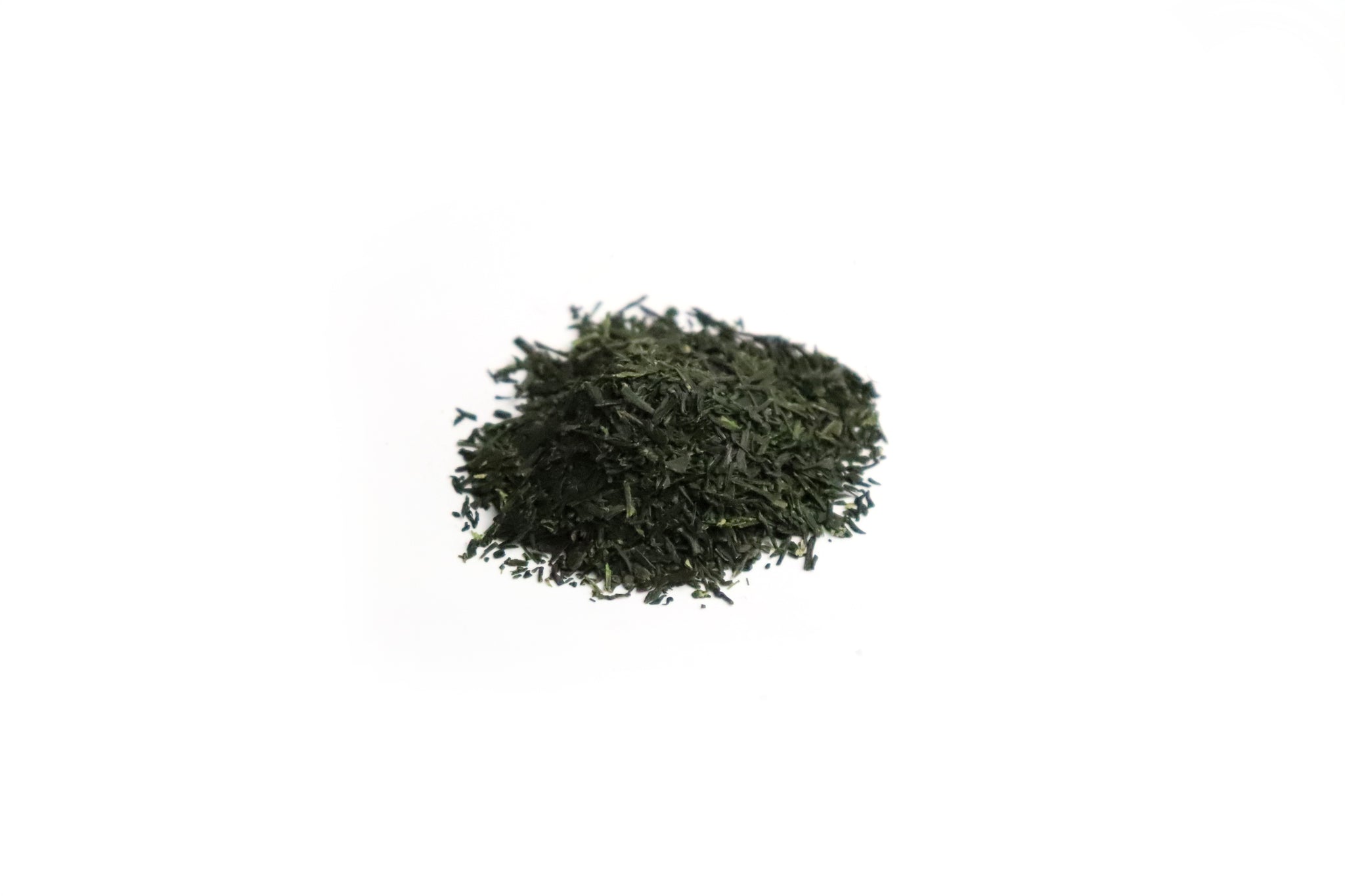
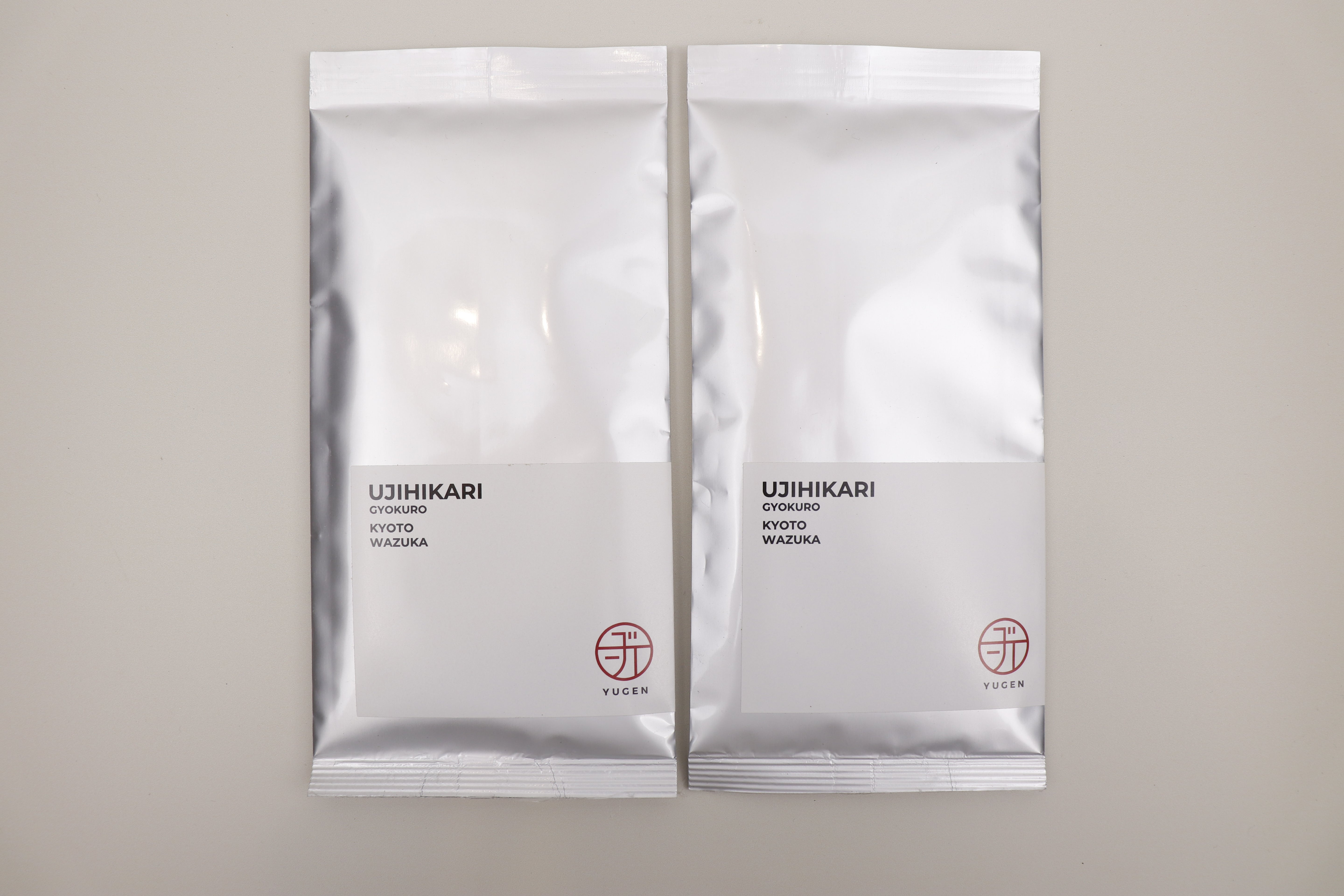
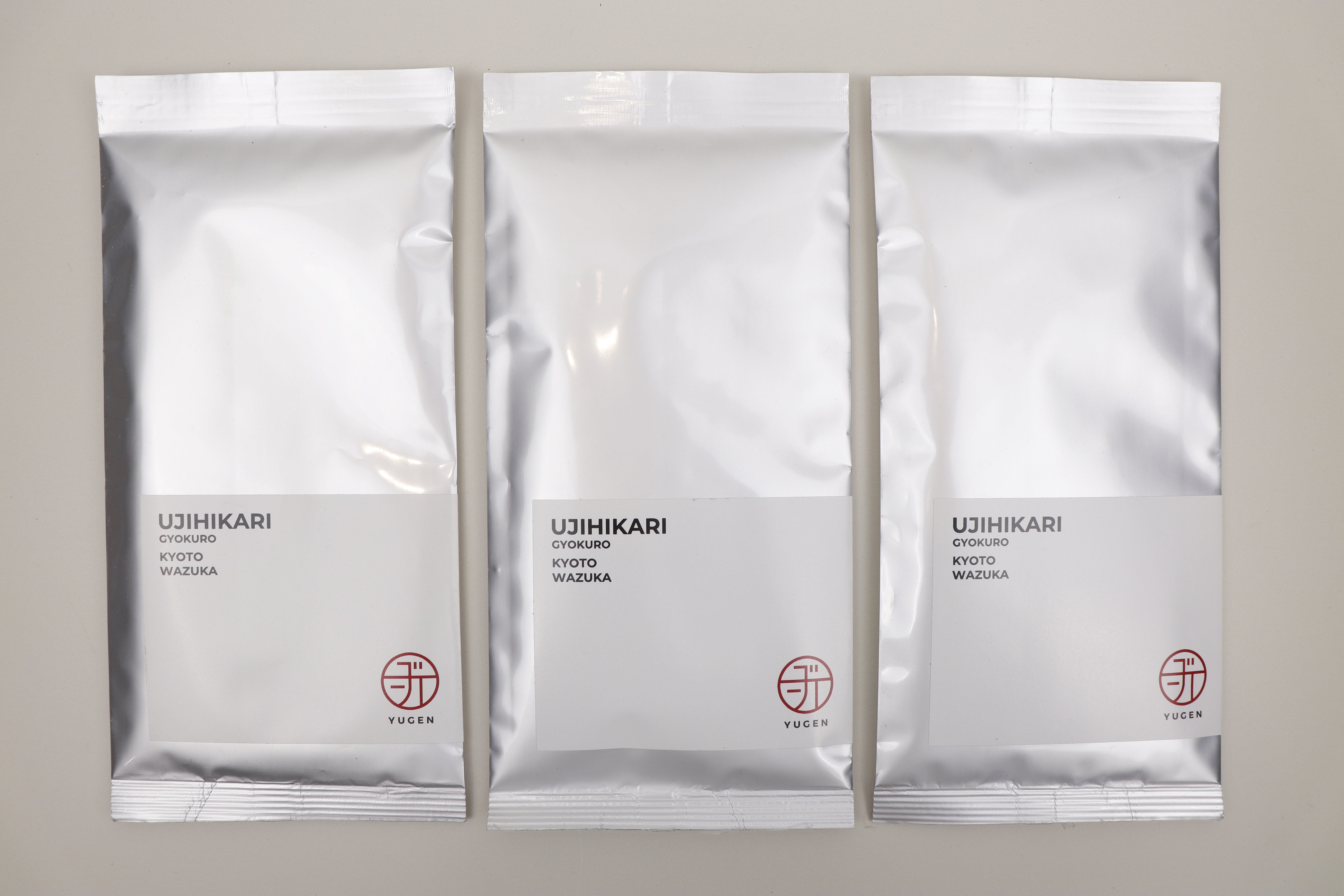
Gyokuro "UJIHIKARI" (Wazuka, Kyoto)
Among Japan’s finest gyokuro teas, Ujihikari is a Kyoto-born cultivar known for its gentle sweetness and clear, refined umami. When hot water is poured, a rich, elegant aroma rises, and a savory depth—reminiscent of delicate dashi broth—unfolds gracefully across the palate.
There is little bitterness; instead, the tea’s silky texture and lingering sweet finish gently carry on. Its calm yet profound flavor embodies the quiet essence of gyokuro.
*Dashi: a traditional Japanese broth, lightly made from kelp and bonito, known for its gentle savory flavor.
*Umami: a savory taste regarded as the fifth basic flavor, distinct from sweet, sour, salty, and bitter.
【 About Gyokuro 】
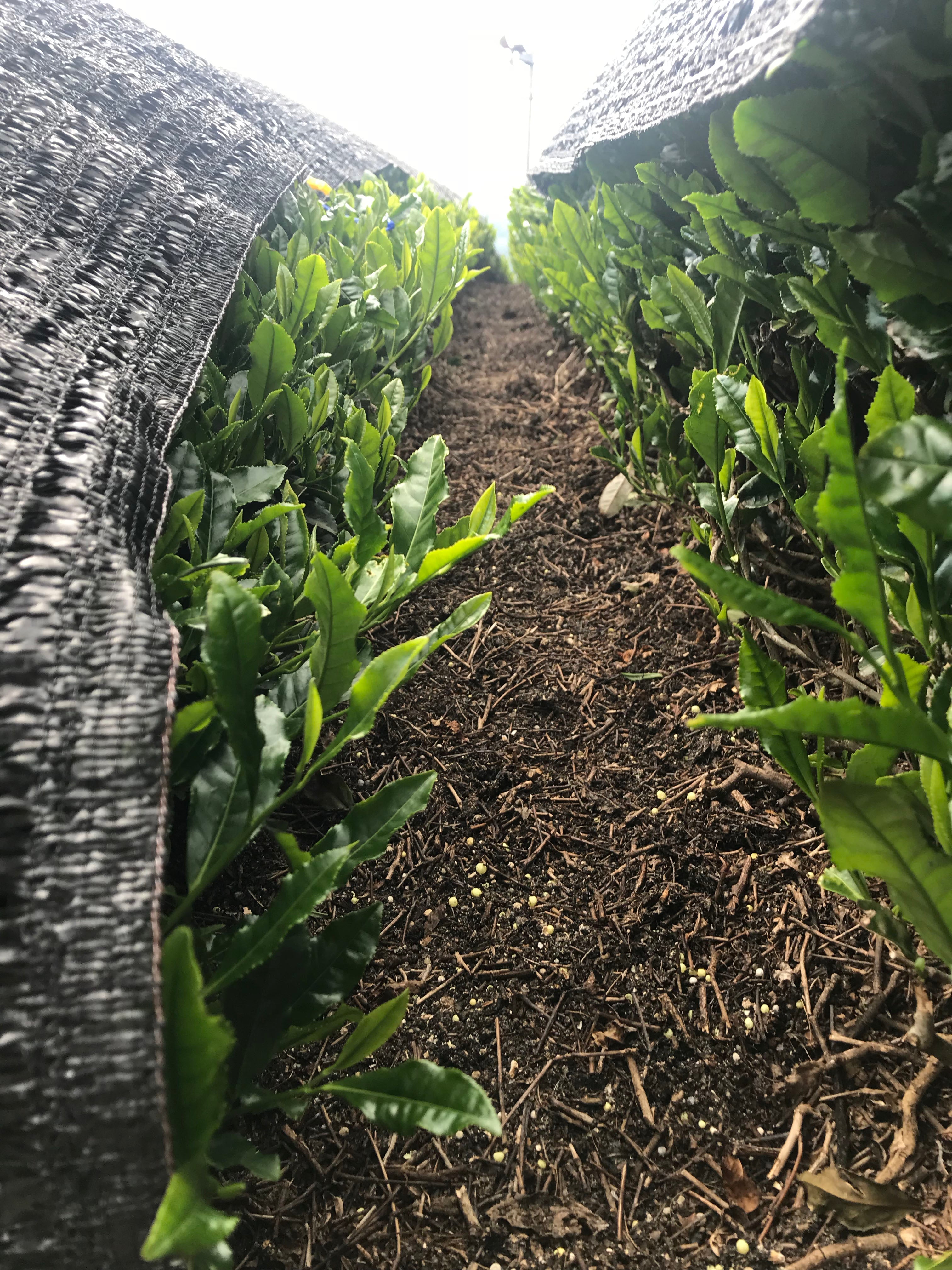
Gyokuro is one of Japan’s most refined green teas, grown using a special shading method that enhances its sweetness and umami. About 20 days before harvest, the tea plants are covered to block sunlight, reducing bitterness and increasing theanine—the source of its rich, smooth flavor.
This careful cultivation gives Gyokuro a deep umami taste, gentle sweetness, and velvety texture. When brewed slowly at a low temperature, it offers a mellow, full-bodied flavor with a long, elegant finish—capturing the quiet essence of Japanese tea.
・Wazuka, Kyoto — 800 Years of Tea and Morning Mist
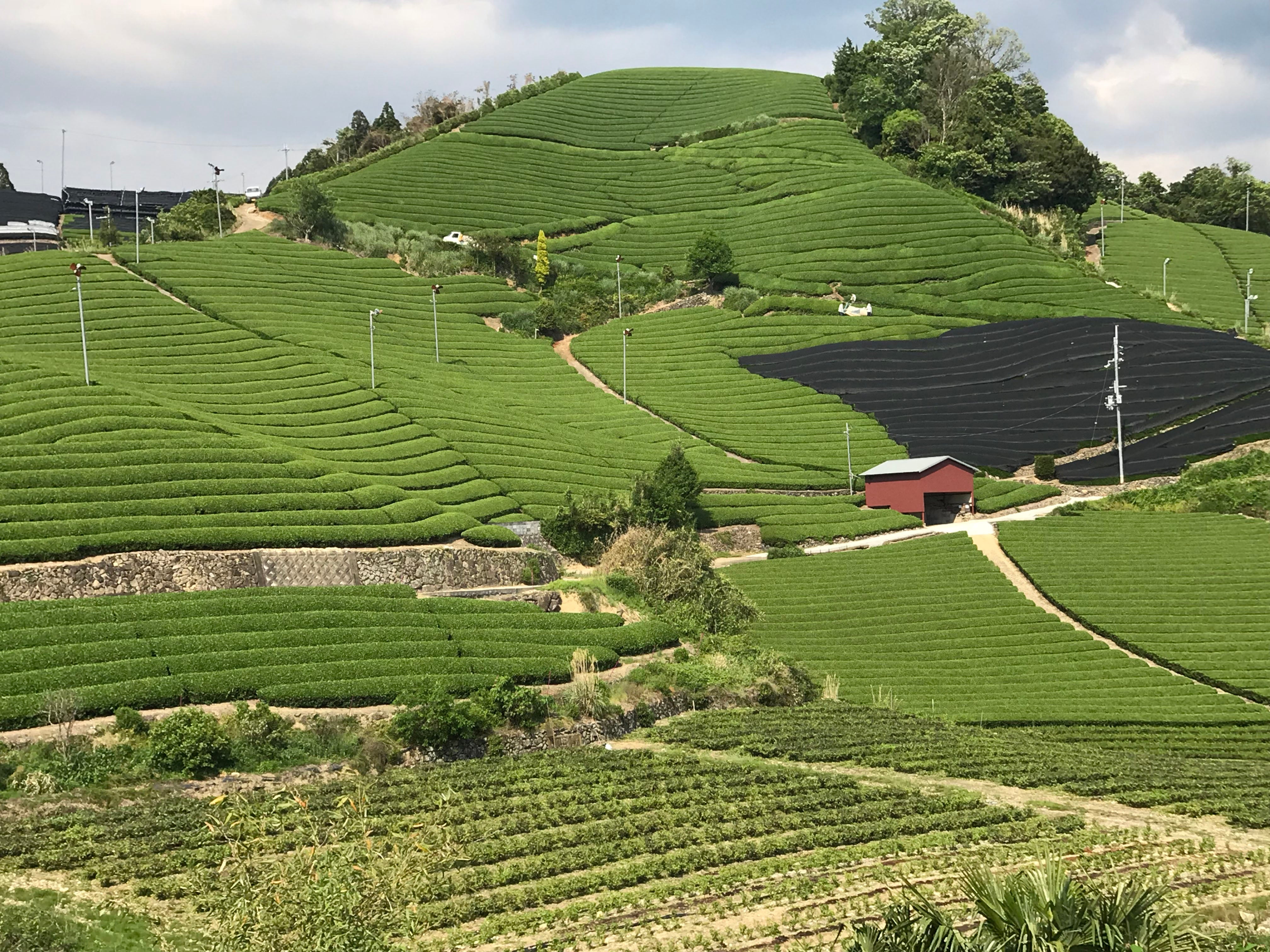
Wazuka, a small town in southern Kyoto Prefecture, has been cultivating tea for over 800 years. It is known as one of Japan’s leading tea-producing regions, highly regarded for the quality of its tea in flavor, aroma, and the beautifully needle-shaped form of the leaves.
Surrounded by mountains, Wazuka sits in a basin with a large difference between day and night temperatures. This climate often brings a deep morning mist over the tea fields. More than a beautiful scene, the mist acts like a natural cover, softening the sunlight and creating a gentle environment for the tea plants.
The amino acids that give tea its sweetness and umami can turn into bitter and astringent compounds when exposed to strong sunlight. In Wazuka, however, the morning mist helps protect the leaves from direct sun, allowing them to retain their rich flavor. The land, the climate, and the mist all come together to create tea with a smooth, mellow taste and deep umami.
【 Tea Leaf Storage Instructions 】
・Store unopened tea in a cool, dark place away from direct sunlight, heat, and humidity. For extended storage, keep it sealed, freeze, and let it return to room temperature before opening.
・After opening, place the tea in an airtight, opaque container and keep it in a cool, dark place. For best quality, enjoy as soon as possible, ideally within one month.
・Avoid storing near strongly scented items, as tea easily absorbs odors.
Choose options


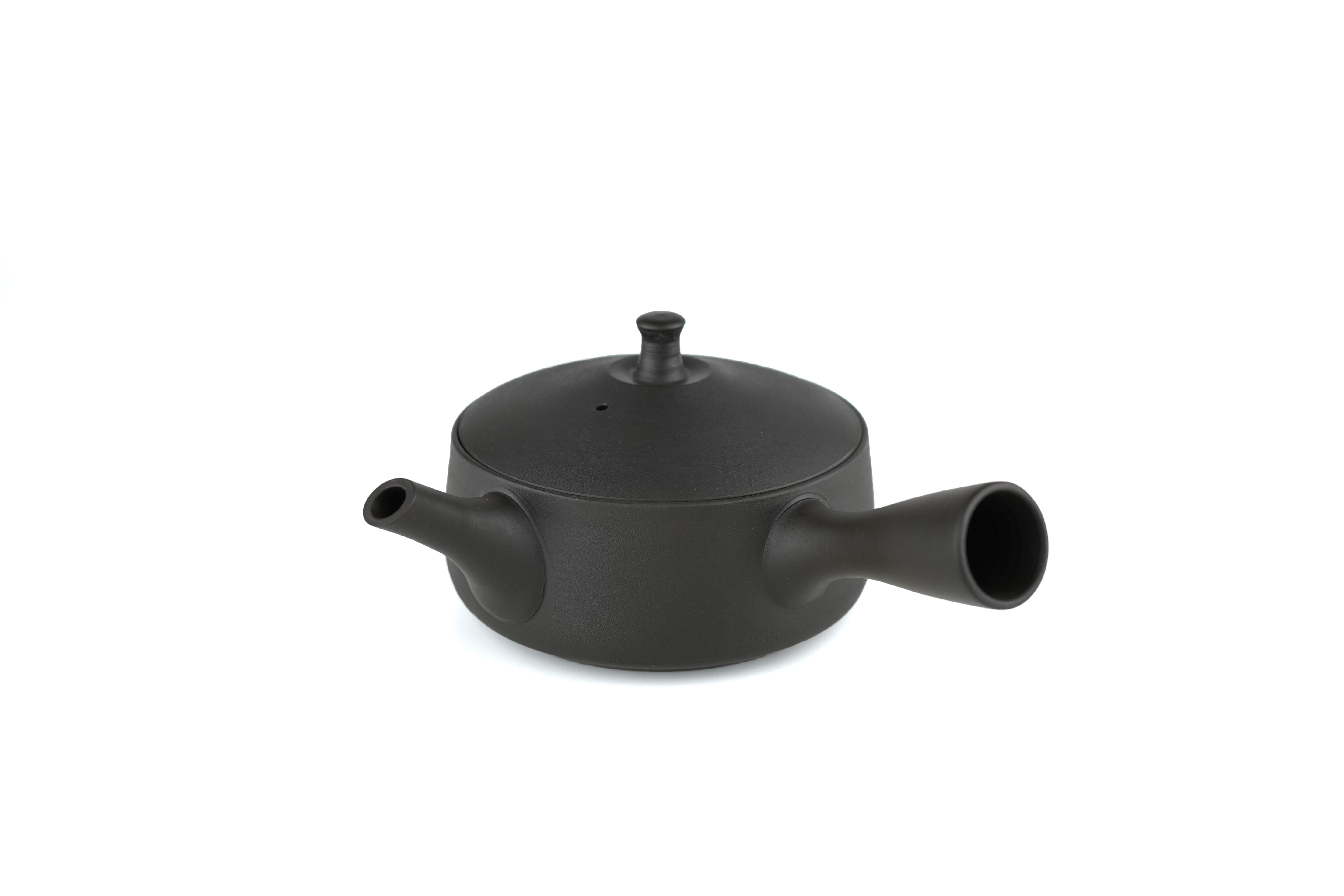
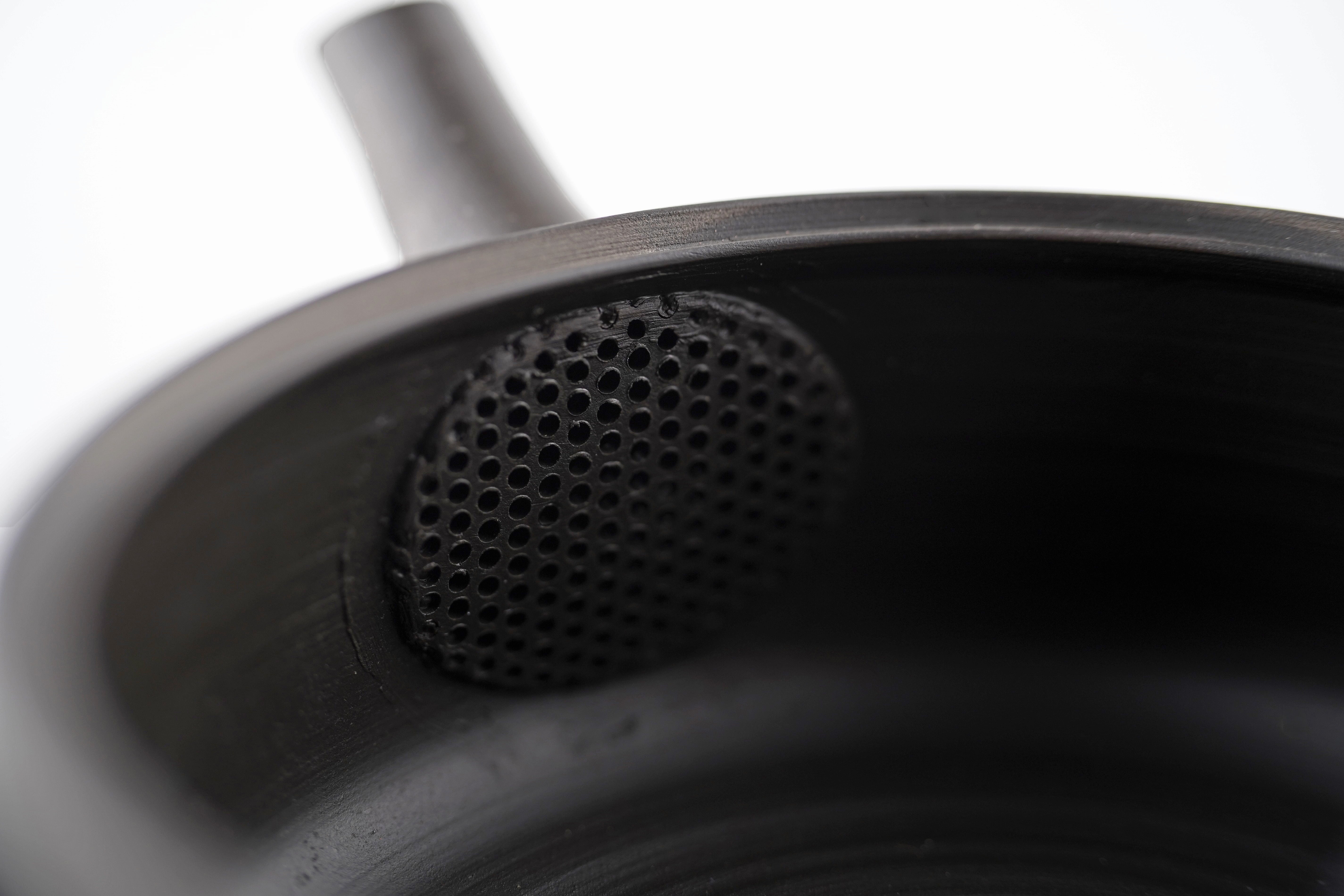
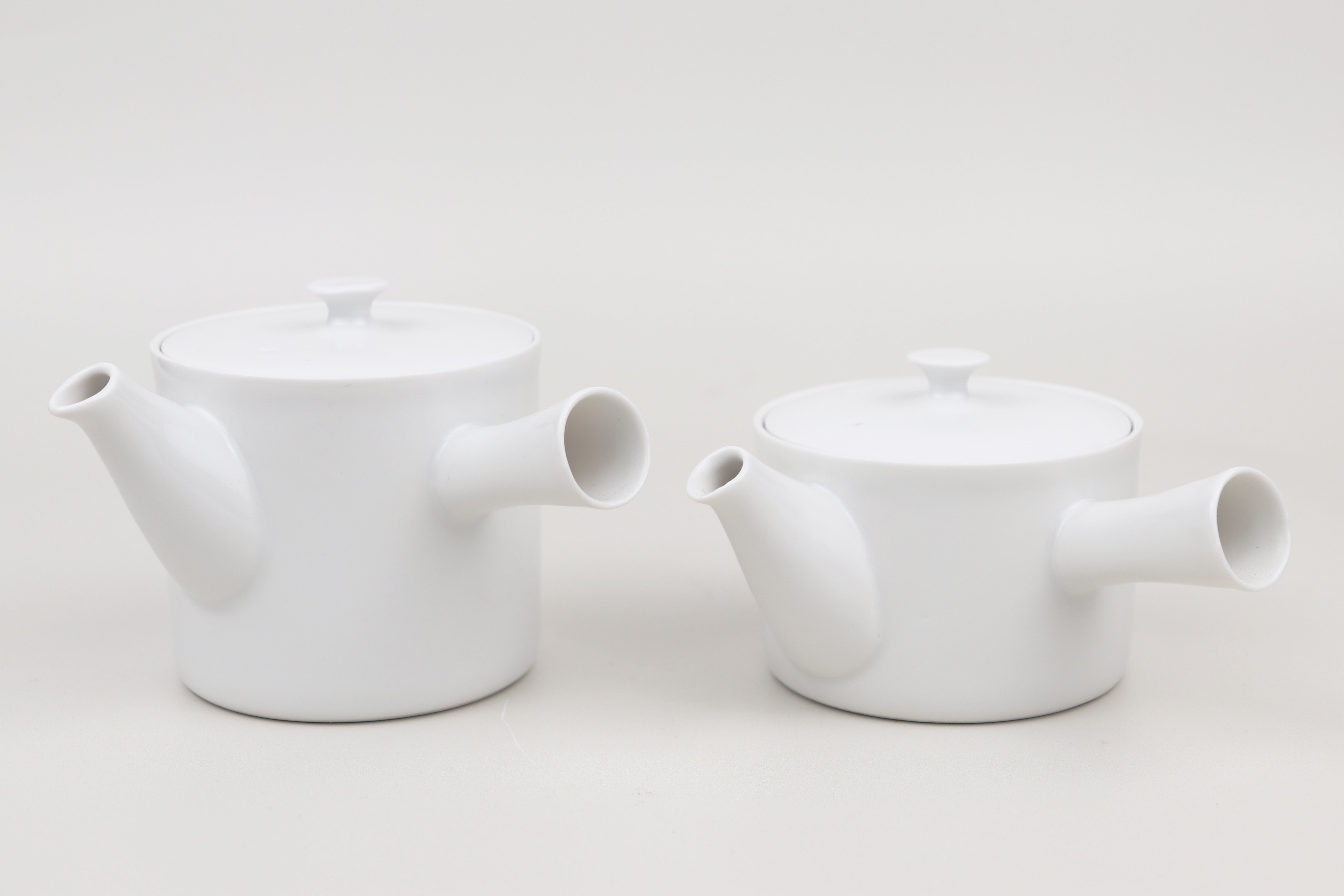
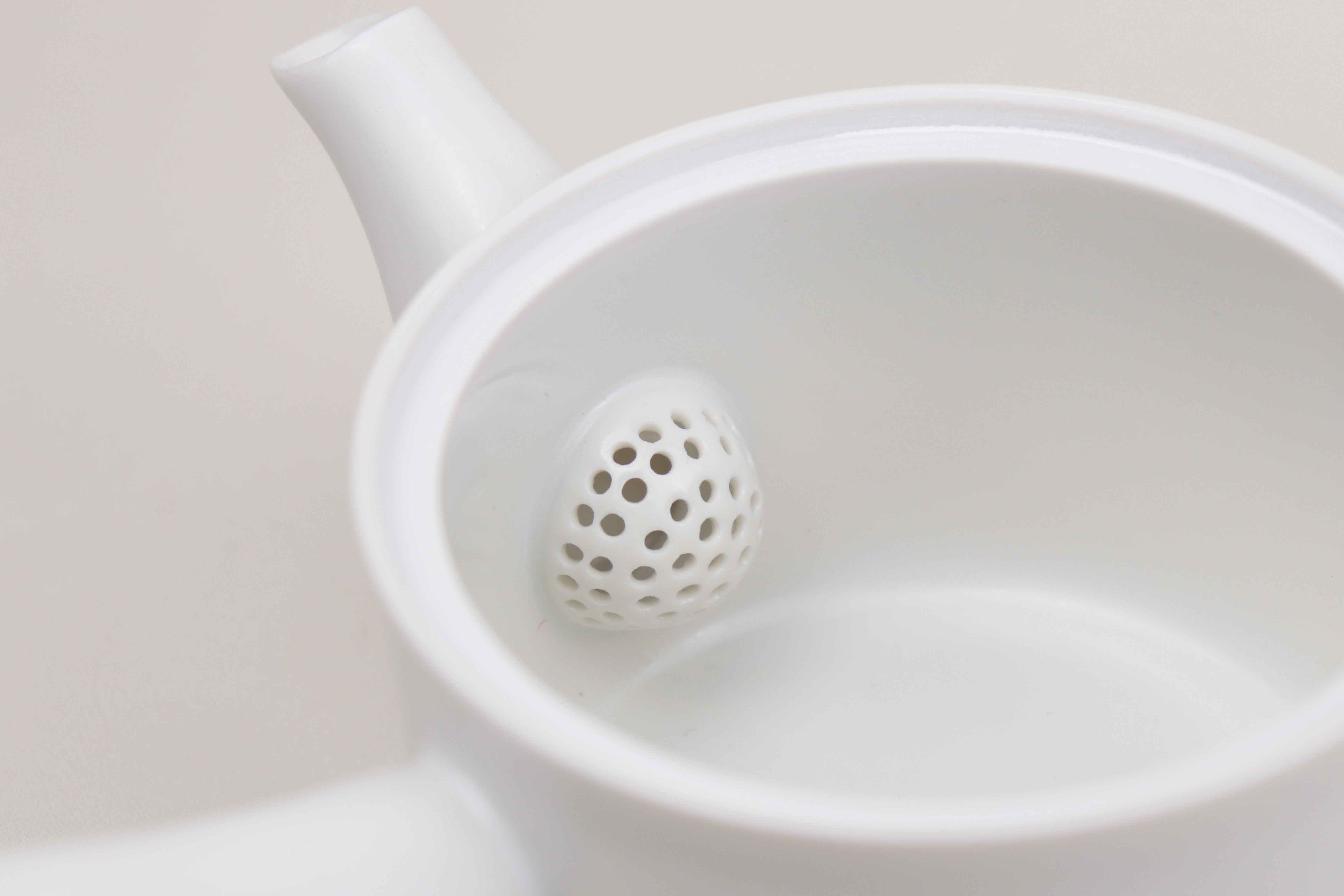
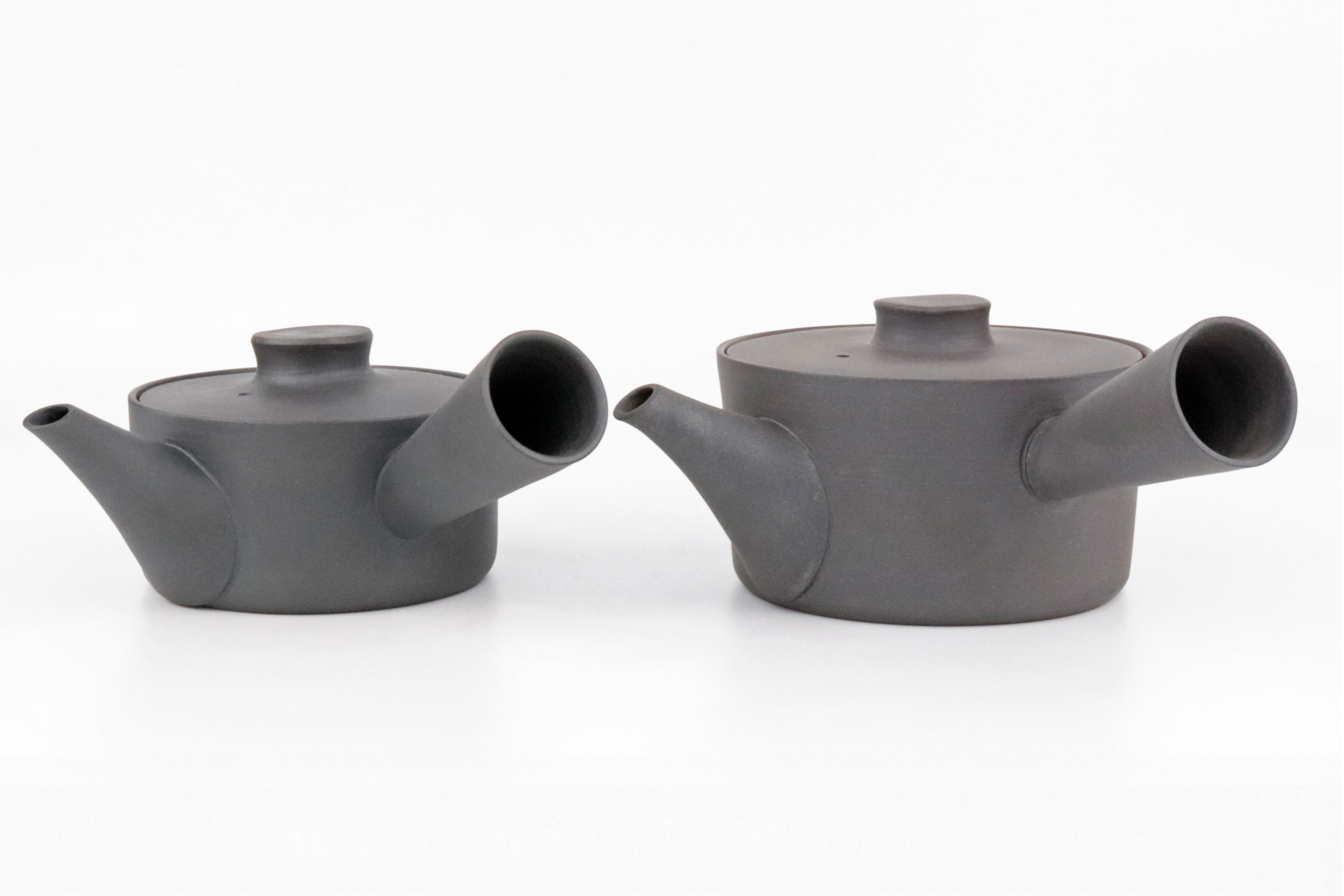
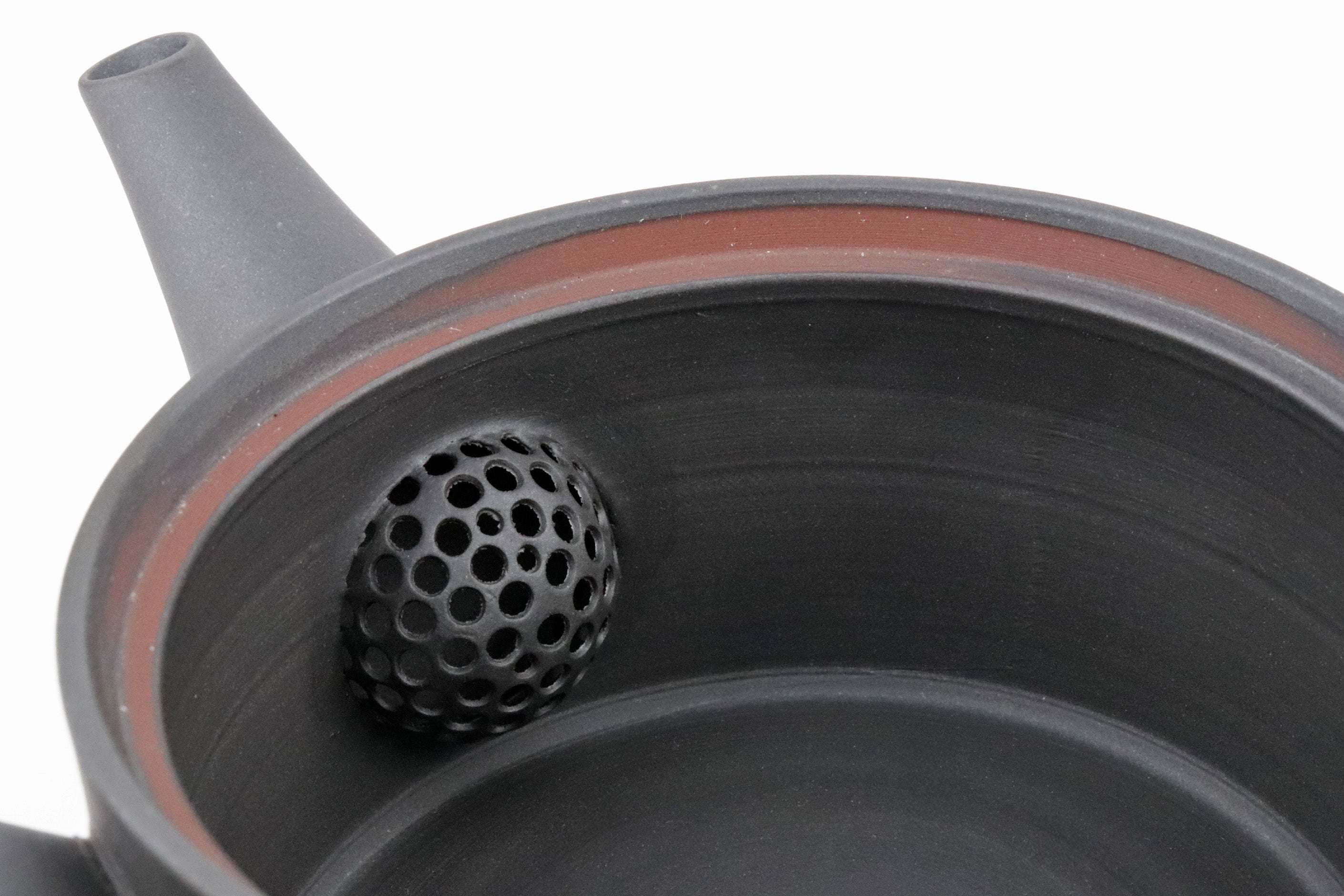
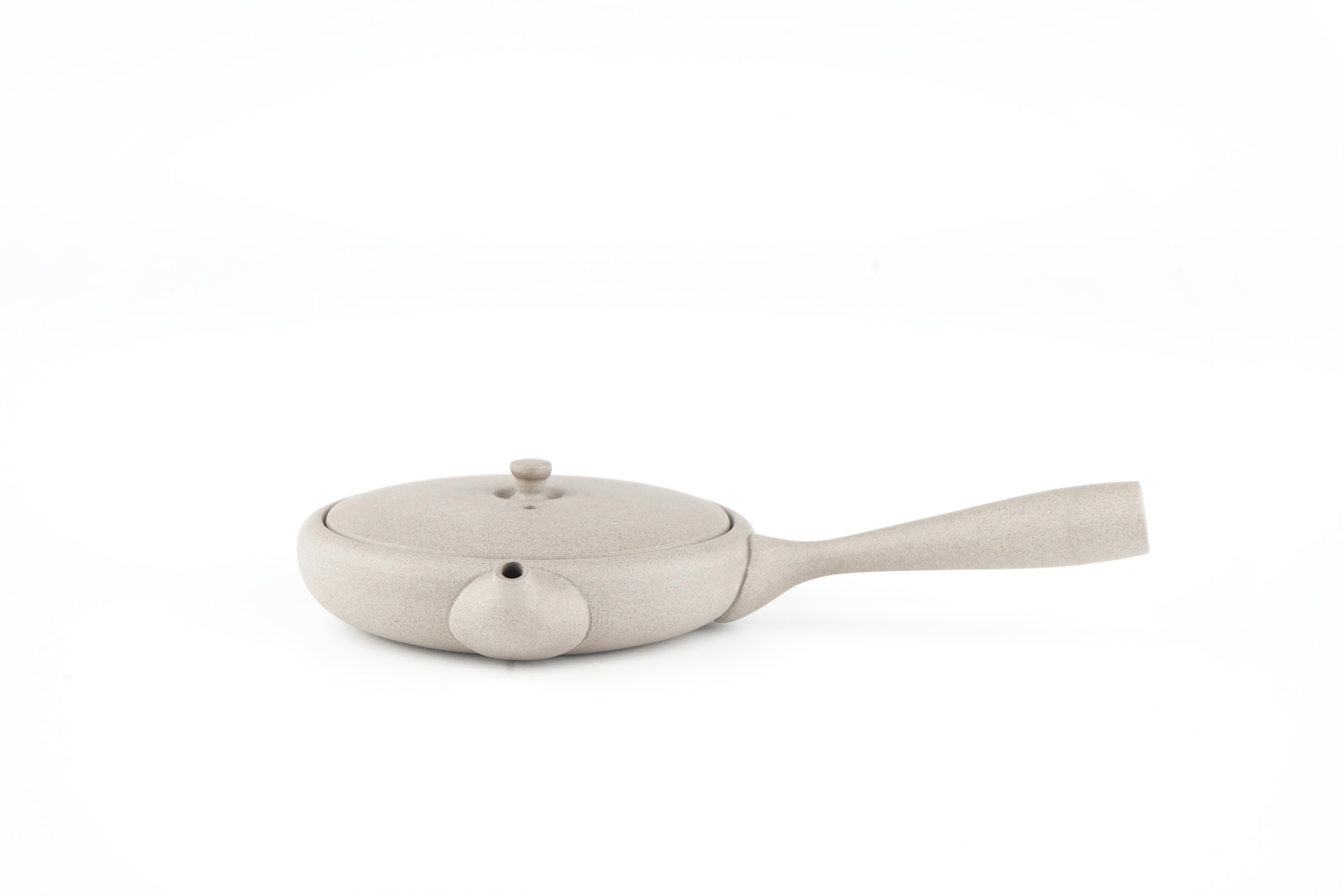
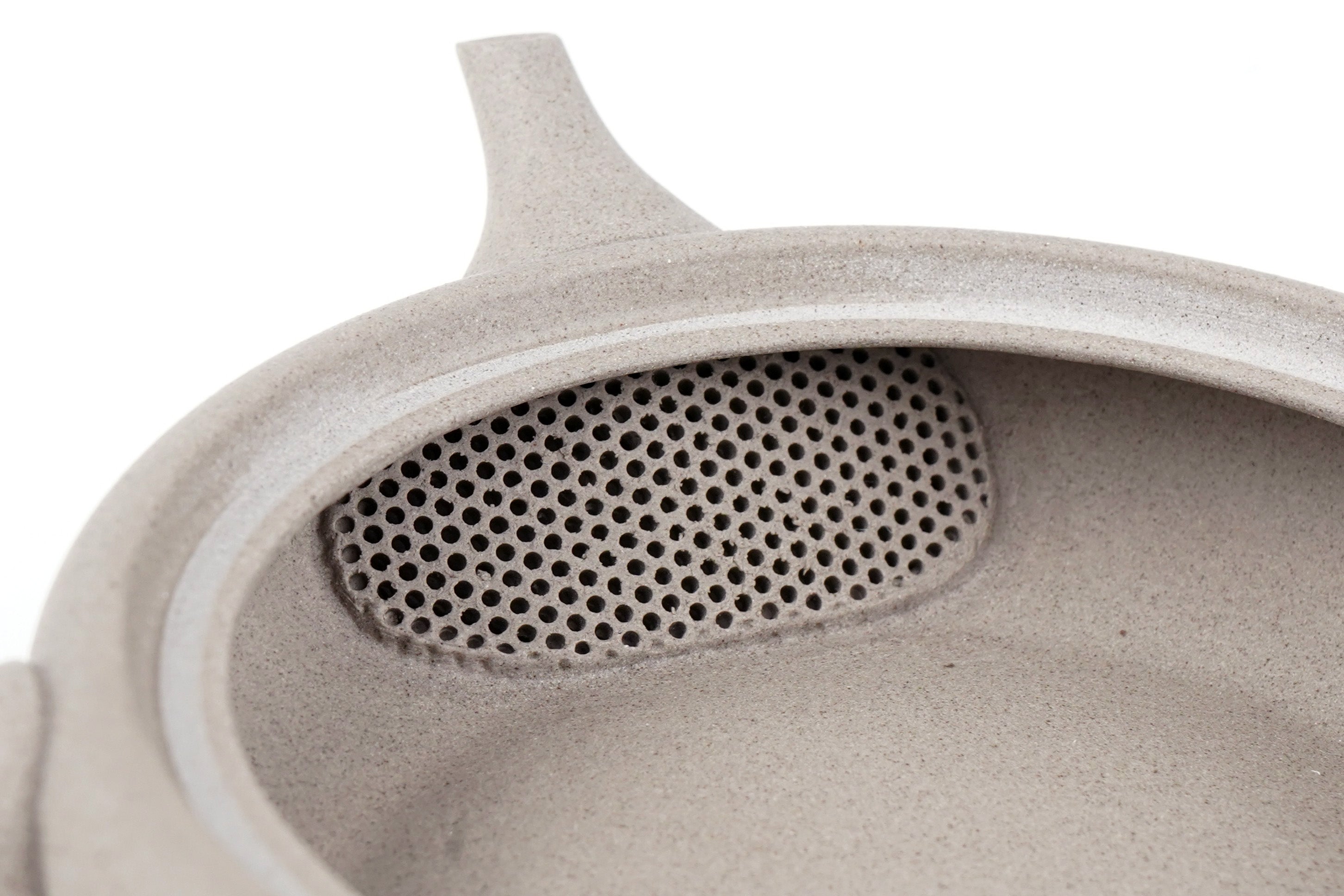
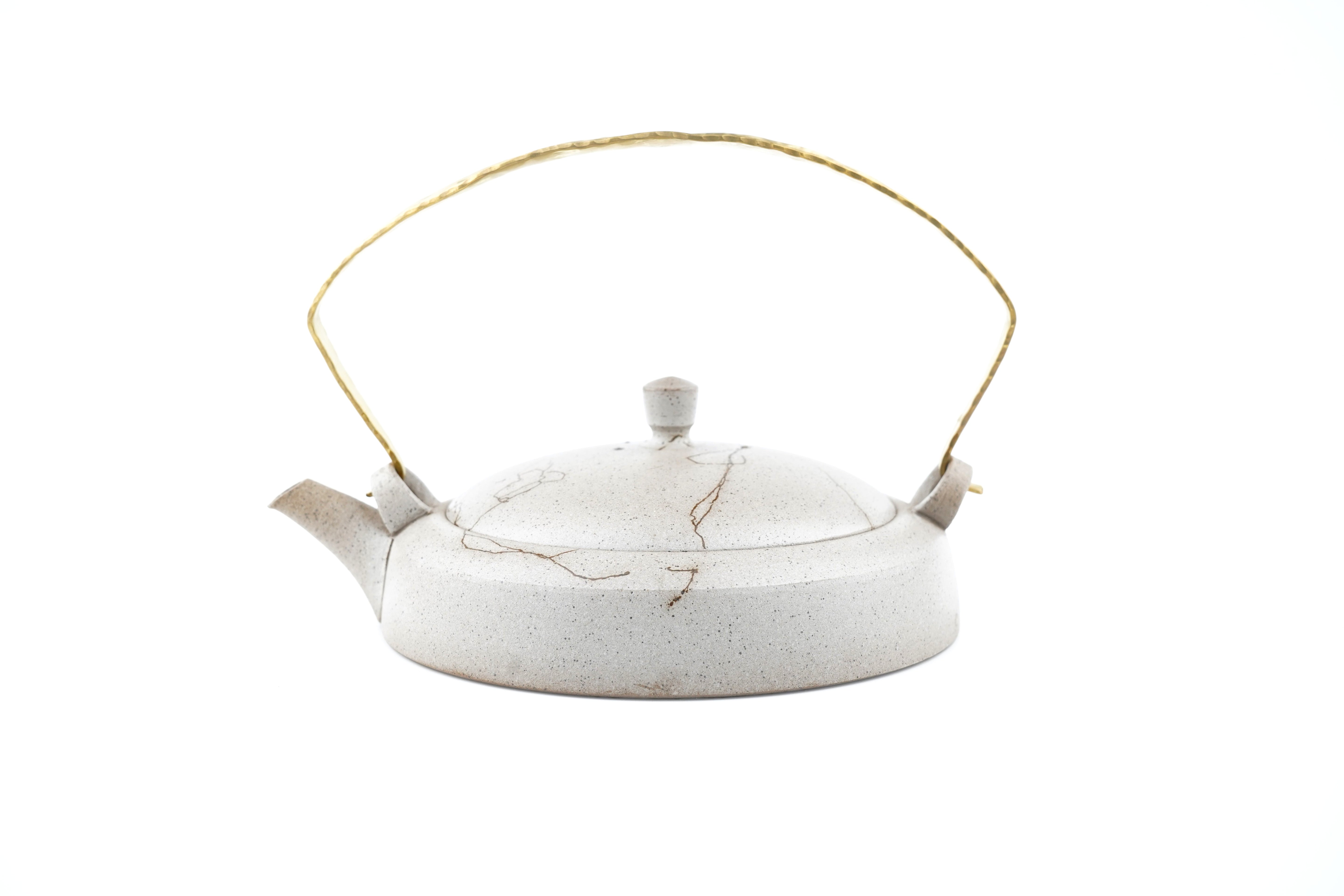
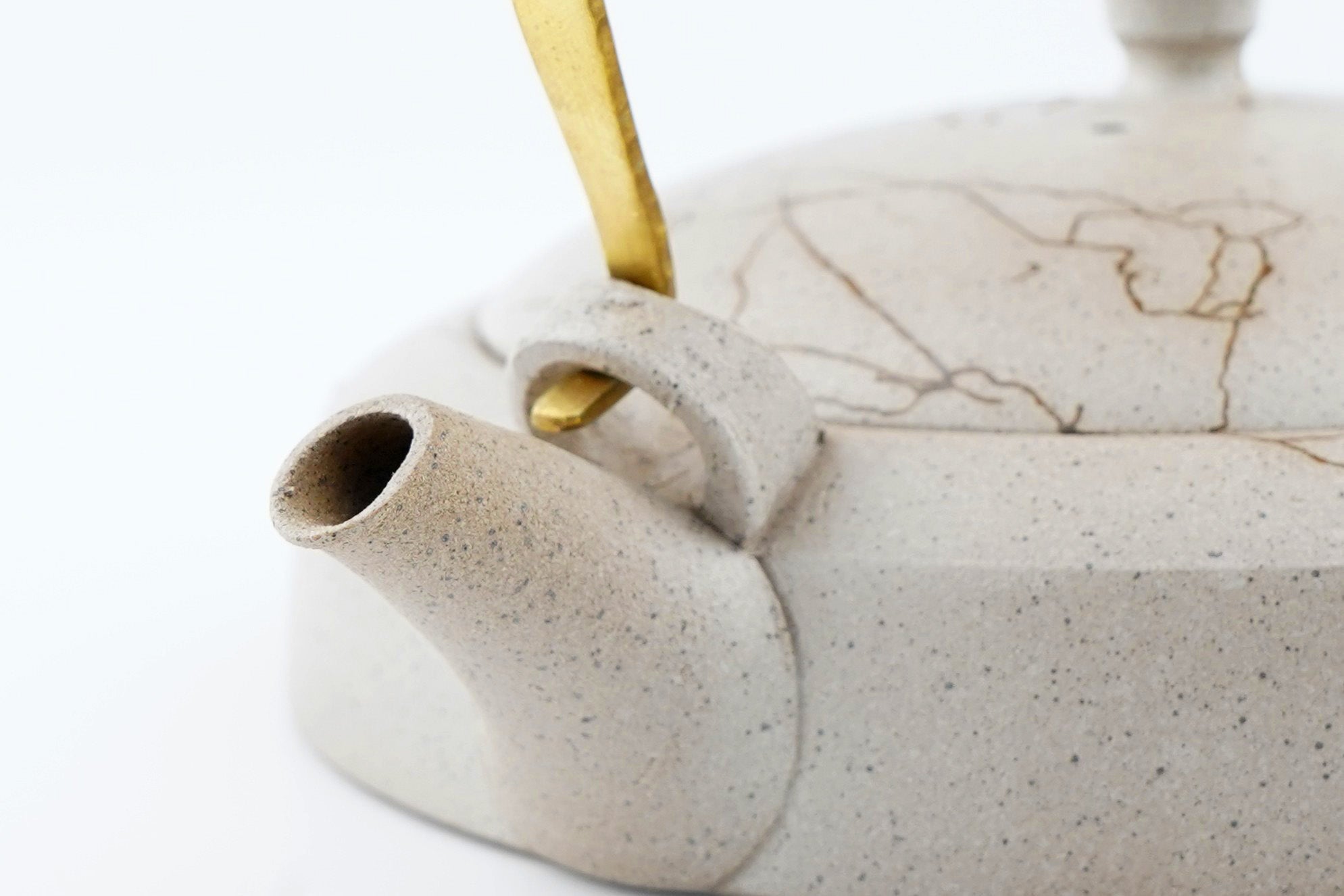
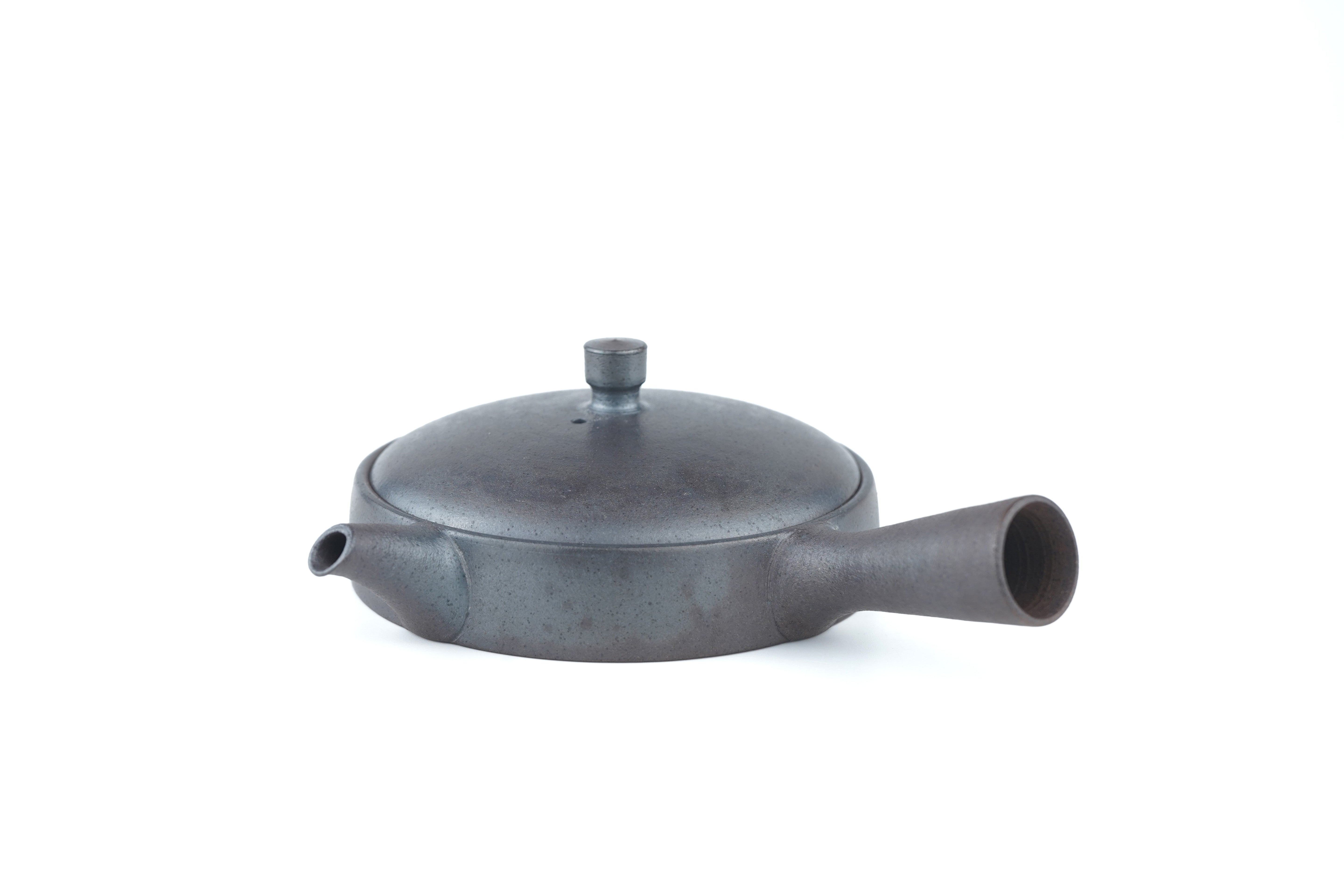
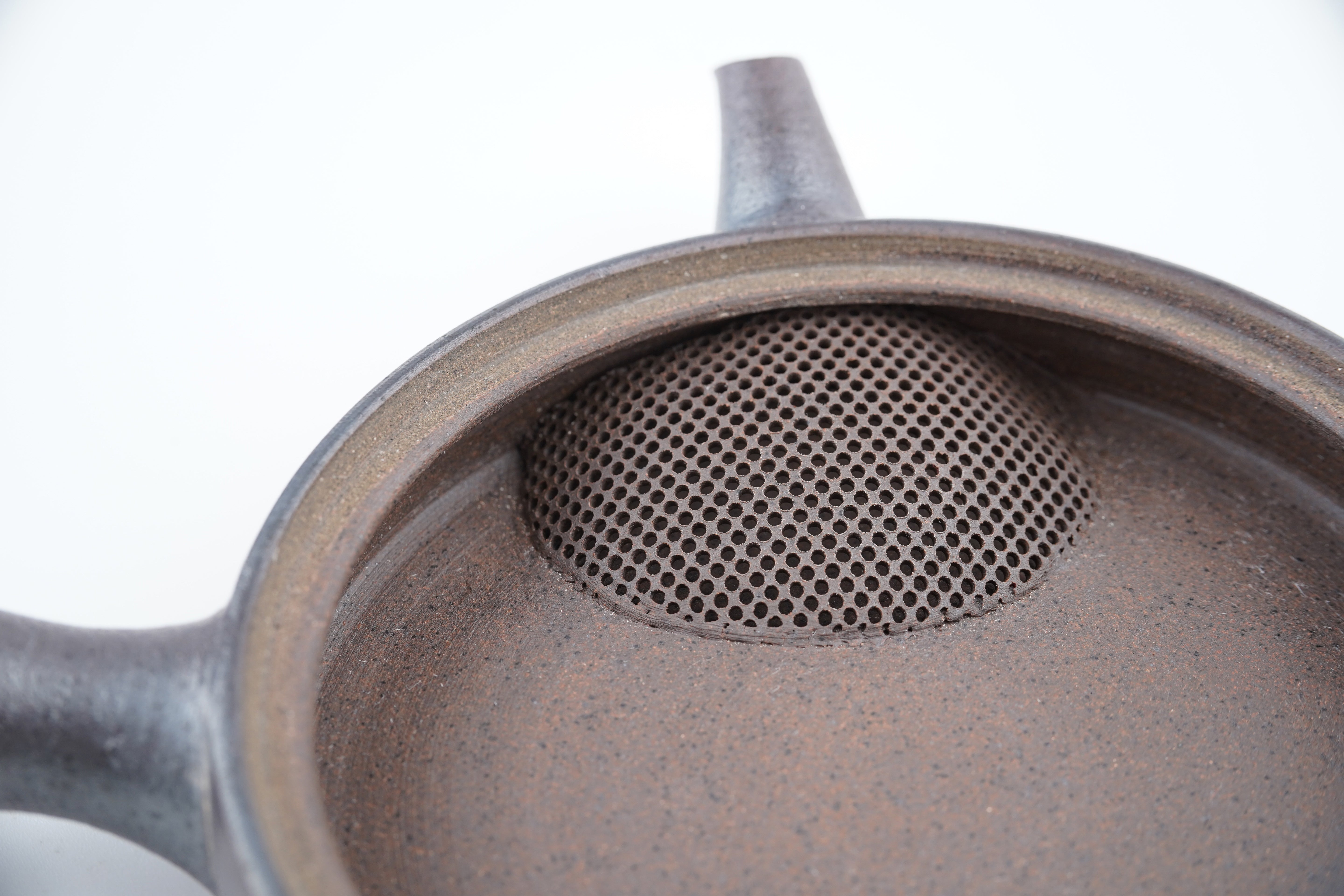
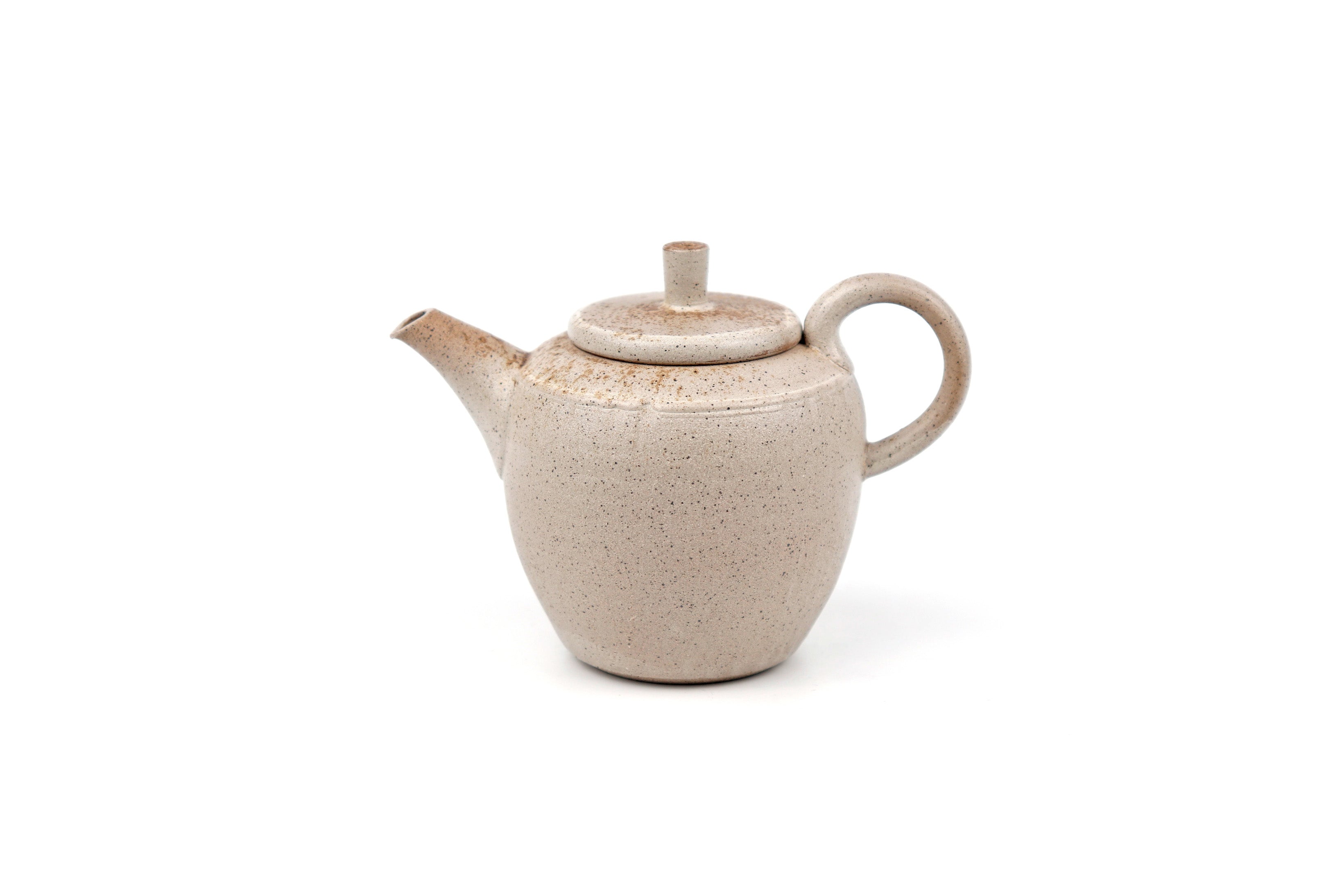
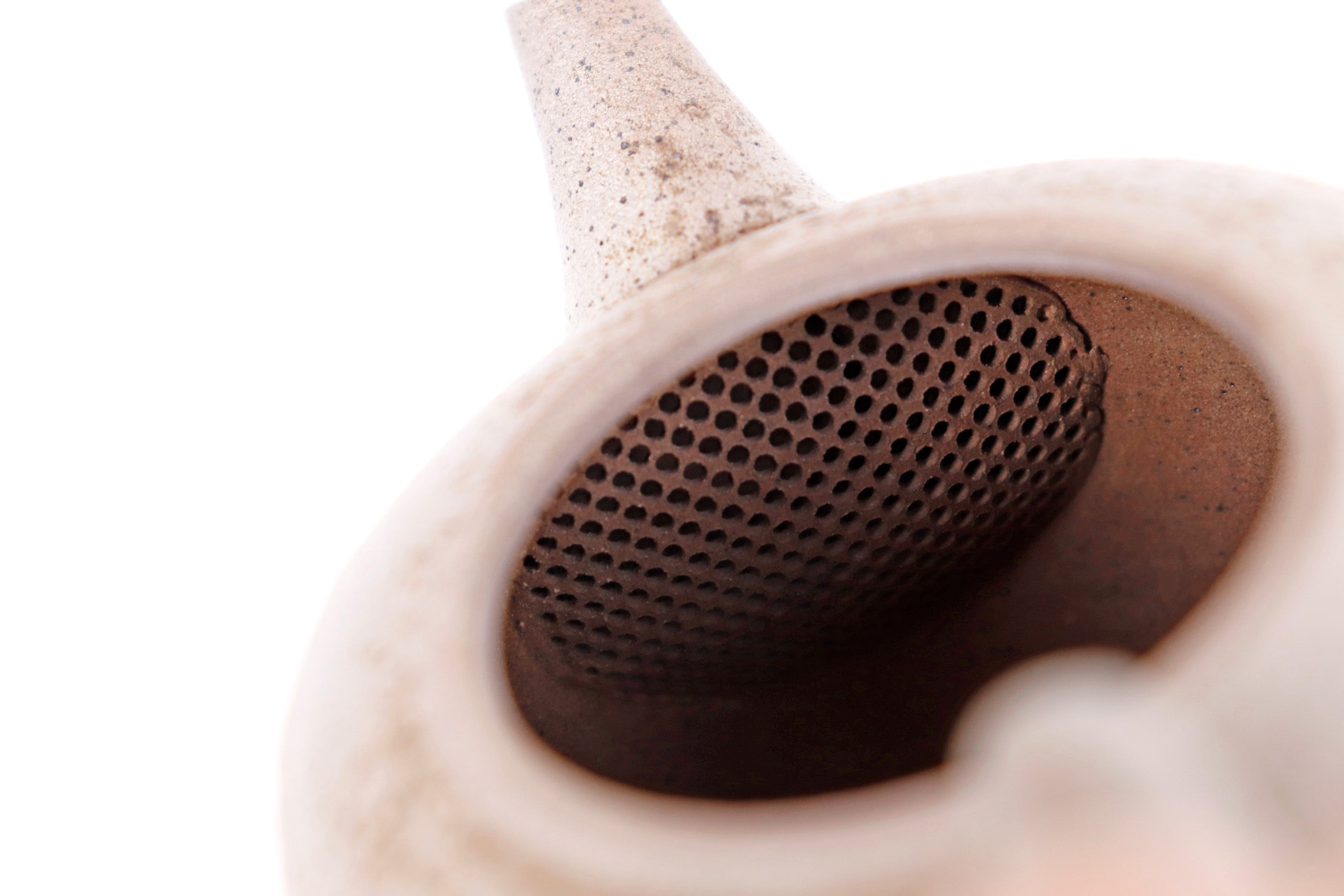


How to brew delicious tea
【 Basic Measurements 】
・For 1 serving : 4-6g tea leaves / 100ml hot water
◆ First Brew
Water temperature : 50°C
Steeping time : 2 minutes
Point : Brewing slowly at a low temperature results in almost no bitterness or astringency, allowing the deep umami flavor to shine through.
◆ Second Brew
Water temperature : 60°C
Steeping time : 30 seconds
Point : Slightly increasing the temperature brings out a new layer of aroma and mild astringency, along with a gentle umami taste distinct from the first brew.
→UJIHIKARI (Gyokuro / Kyoto)
【 Basic Measurements 】
・For 1-2 servings : 5g tea leaves / 160ml hot water
・For 3-4 servings : 8g tea leaves / 300ml hot water
◆ First Brew
Water temperature : 85°C
Steeping time : 90 seconds
Point : Enjoy the signature aroma of sencha along with a refreshing bitterness and astringency, balanced by a gentle umami and subtle sweetness.
◆ Second Brew
Water temperature : 85°C
Steeping time : 20-30 seconds
Point : Slightly increasing the temperature enhances the astringency, offering a lighter, more refreshing taste compared to the first infusion.
◆ Third Brew
Water temperature : 95-100°C
Steeping time : 10 seconds
Point : A short steep with boiling water brings out a soft bitterness and astringency, creating a clean, mellow finish.
→ OKUMIDORI (SENCHA / KYOTO)
【 Basic Measurements 】
・For 1-2 servings : 5-6g tea leaves / 160ml hot water
・For 3-4 servings : 8-10g tea leaves / 300ml hot water
◆ First Brew
Water temperature : 65°C
Steeping time : 90 seconds
Point : Brewing at a lower temperature reduces bitterness and astringency, allowing you to fully enjoy kabusecha’s signature “covered aroma” (ooika) and its rich umami flavor.
◆ Second Brew
Water temperature : 85°C
Steeping time : 20-30 seconds
Point : Using hotter water brings out a slightly more astringent profile, offering a new dimension of flavor compared to the first brew.
◆ Third Brew
Water temperature : 95-100°C
Steeping time : 10 seconds
Point : A quick steep with boiling water draws out a gentle bitterness and clean astringency for a refreshing finish.
→GOKO (Kabuse Sencha / Kyoto)