

White Gradation Flat Kyusu - Junzo Maekawa
apacity:120ml (when full)
【 Artist Profile 】
Artist : Junzo Maekawa
Origin : Tokoname, Aichi Prefecture
Material : Ceramic
Junzo Maekawa is the fourth-generation successor of a distinguished kiln in Tokoname, Aichi Prefecture, with a history dating back to the Taisho period. A recipient of the Prime Minister’s Award, he brings an engineering-based perspective to his work, carefully exploring how clay affects the taste of tea and how a clean, precise pour can enhance the function of a kyusu. The smooth curves shaped on the wheel and the excellent water cutoff reflect his sincere pursuit of both usability and beauty.
The defining feature of this kyusu is its wide, flat form known as “gokuhira.” Its broad base allows the tea leaves to spread out more easily inside the pot, helping the umami and sweetness of fine sencha or gyokuro come through clearly. Opening the lid to see the leaves gently unfurl and the tea’s color deepen adds a quiet richness to the experience of preparing Japanese tea.
【Why Tokoname Kyusu?
The Secret to the Perfect Green Tea】
900 Years of Heritage
Tokoname-yaki is one of Japan’s most renowned pottery traditions. Each piece represents centuries of craftsmanship.
Scientific Flavor Enhancement
Made from iron-rich clay, these teapots react with tea tannins to :
・Reduce bitterness
・Enhance natural sweetness (Umami)
・Create a smoother mouthfeel
Masterful Precision
Each lid is handcrafted for a "seamless fit," ensuring a perfect pour without a single leak. The more you use it, the more the clay develops a beautiful natural sheen (patina).
【Care Instructions】
・For daily cleaning, please wash with water only, without using detergent.
・Make sure the tea strainer is thoroughly dried to prevent water from collecting inside.
・If tea stains are difficult to remove, soak the teapot overnight in a solution of kitchen bleach diluted to about 1%. After soaking, rinse thoroughly with boiling water.
※Please note that items may sell out as we share inventory with our store. We appreciate your understanding.
Choose options
How to Brew Delicious Tea🍵🍃
【 Basic Measurements 】
・For 1-2 servings : 5g tea leaves / 160ml hot water
・For 3-4 servings : 8g tea leaves / 300ml hot water
◆ First Brew
Water temperature : 85°C
Steeping time : 90 seconds
Point : Enjoy the signature aroma of sencha along with a refreshing bitterness and astringency, balanced by a gentle umami and subtle sweetness.
◆ Second Brew
Water temperature : 85°C
Steeping time : 20-30 seconds
Point : Slightly increasing the temperature enhances the astringency, offering a lighter, more refreshing taste compared to the first infusion.
◆ Third Brew
Water temperature : 95-100°C
Steeping time : 10 seconds
Point : A short steep with boiling water brings out a soft bitterness and astringency, creating a clean, mellow finish.
→ OKUMIDORI (SENCHA / KYOTO)
【 Basic Measurements 】
・For 1-2 servings : 5-6g tea leaves / 160ml hot water
・For 3-4 servings : 8-10g tea leaves / 300ml hot water
◆ First Brew
Water temperature : 65°C
Steeping time : 90 seconds
Point : Brewing at a lower temperature reduces bitterness and astringency, allowing you to fully enjoy kabusecha’s signature “covered aroma” (ooika) and its rich umami flavor.
◆ Second Brew
Water temperature : 85°C
Steeping time : 20-30 seconds
Point : Using hotter water brings out a slightly more astringent profile, offering a new dimension of flavor compared to the first brew.
◆ Third Brew
Water temperature : 95-100°C
Steeping time : 10 seconds
Point : A quick steep with boiling water draws out a gentle bitterness and clean astringency for a refreshing finish.
→GOKO (Kabuse Sencha / Kyoto)
【 Basic Measurements 】
・For 1 serving : 4-6g tea leaves / 100ml hot water
◆ First Brew
Water temperature : 50°C
Steeping time : 2 minutes
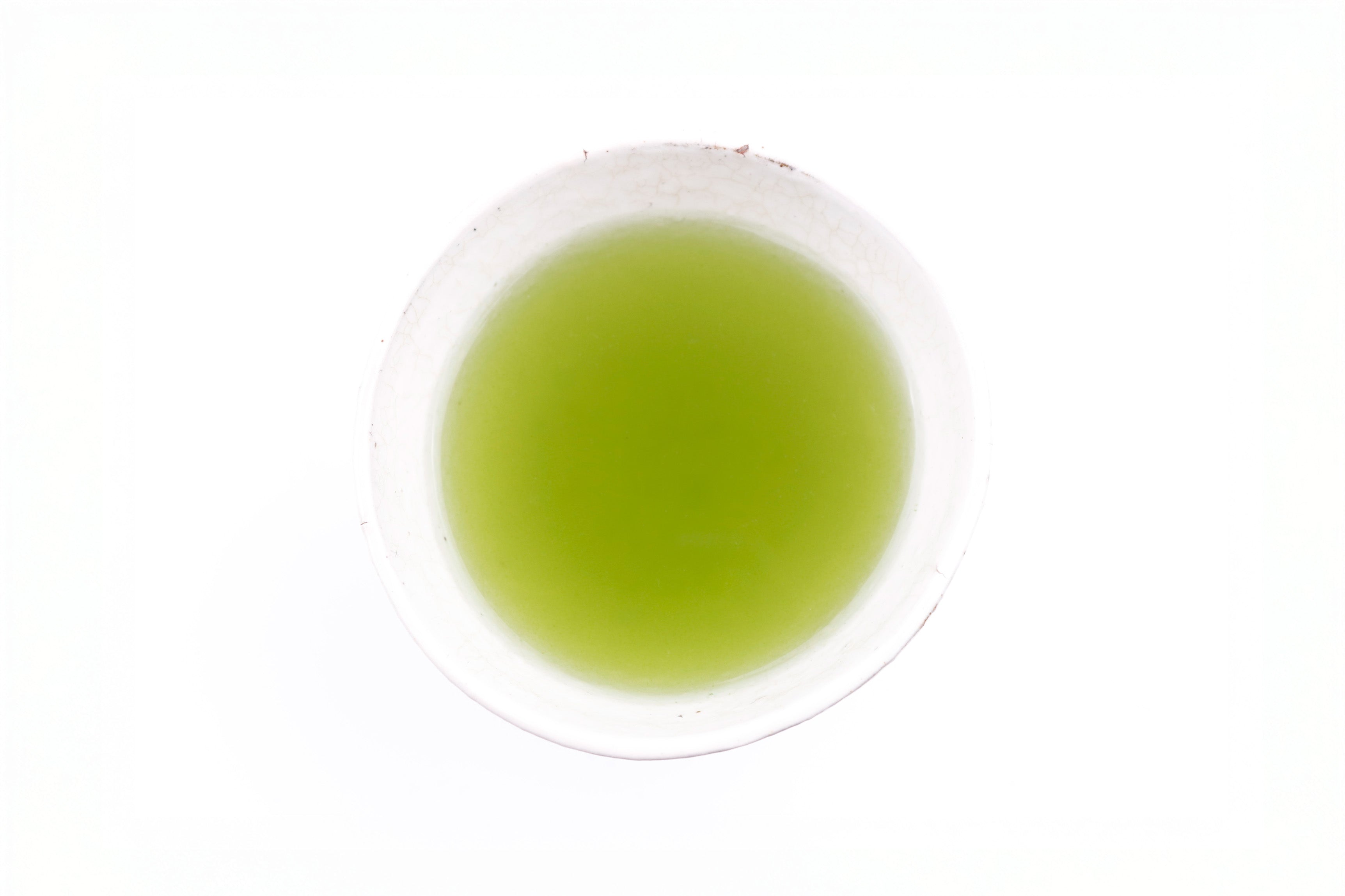
Point : Brewing slowly at a low temperature results in almost no bitterness or astringency, allowing the deep umami flavor to shine through.
◆ Second Brew
Water temperature : 60°C
Steeping time : 30 seconds
Point : Slightly increasing the temperature brings out a new layer of aroma and mild astringency, along with a gentle umami taste distinct from the first brew.
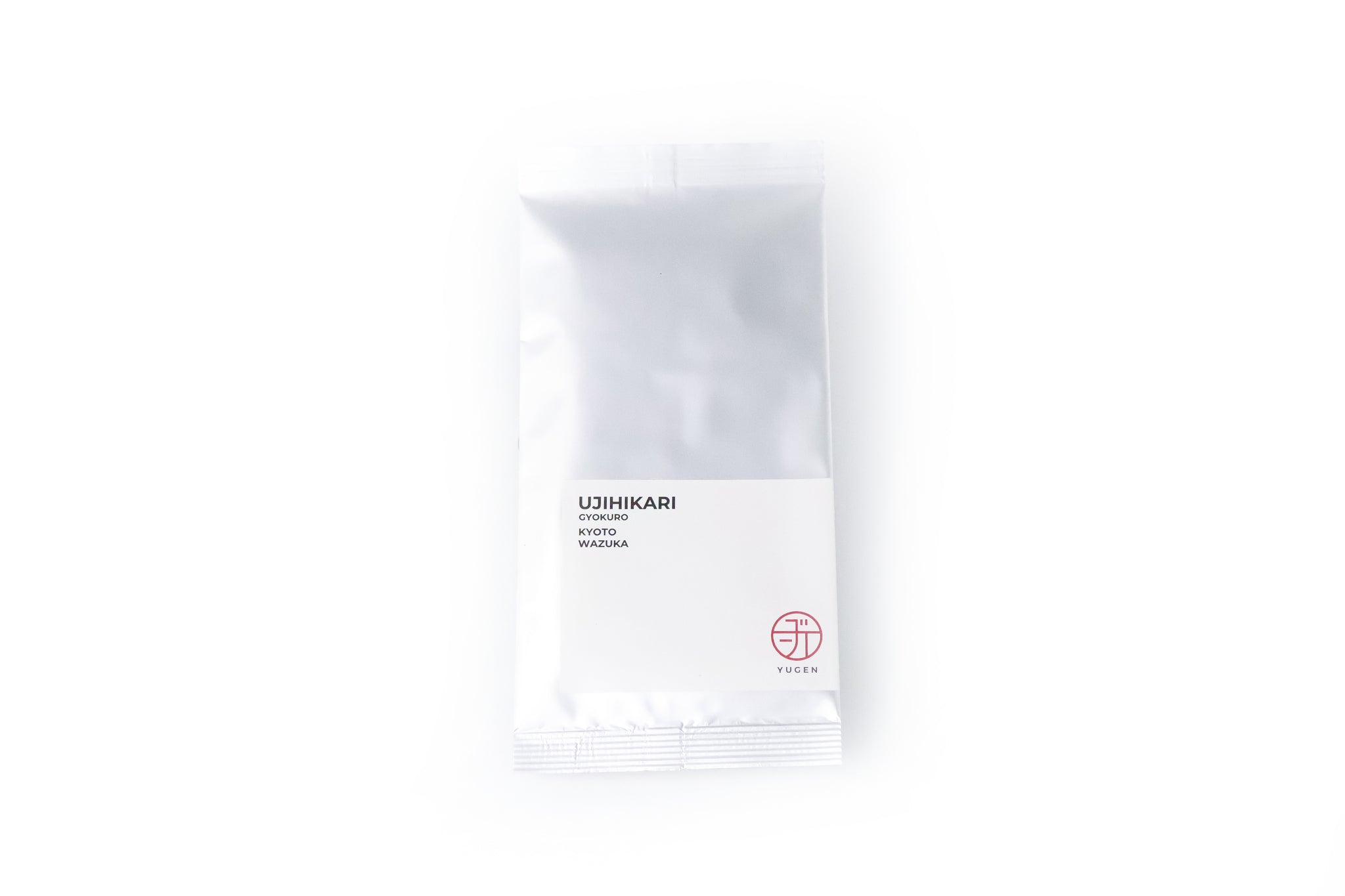
→UJIHIKARI (GYOKURO / KYOTO)