

Shincha 2026 (New Harvest Green Tea)
*Our 2026 shincha has now sold out for the season. We sincerely thank everyone who purchased it. Our 2027 shincha is scheduled to be available around May. We look forward to sharing next year’s harvest with you again.
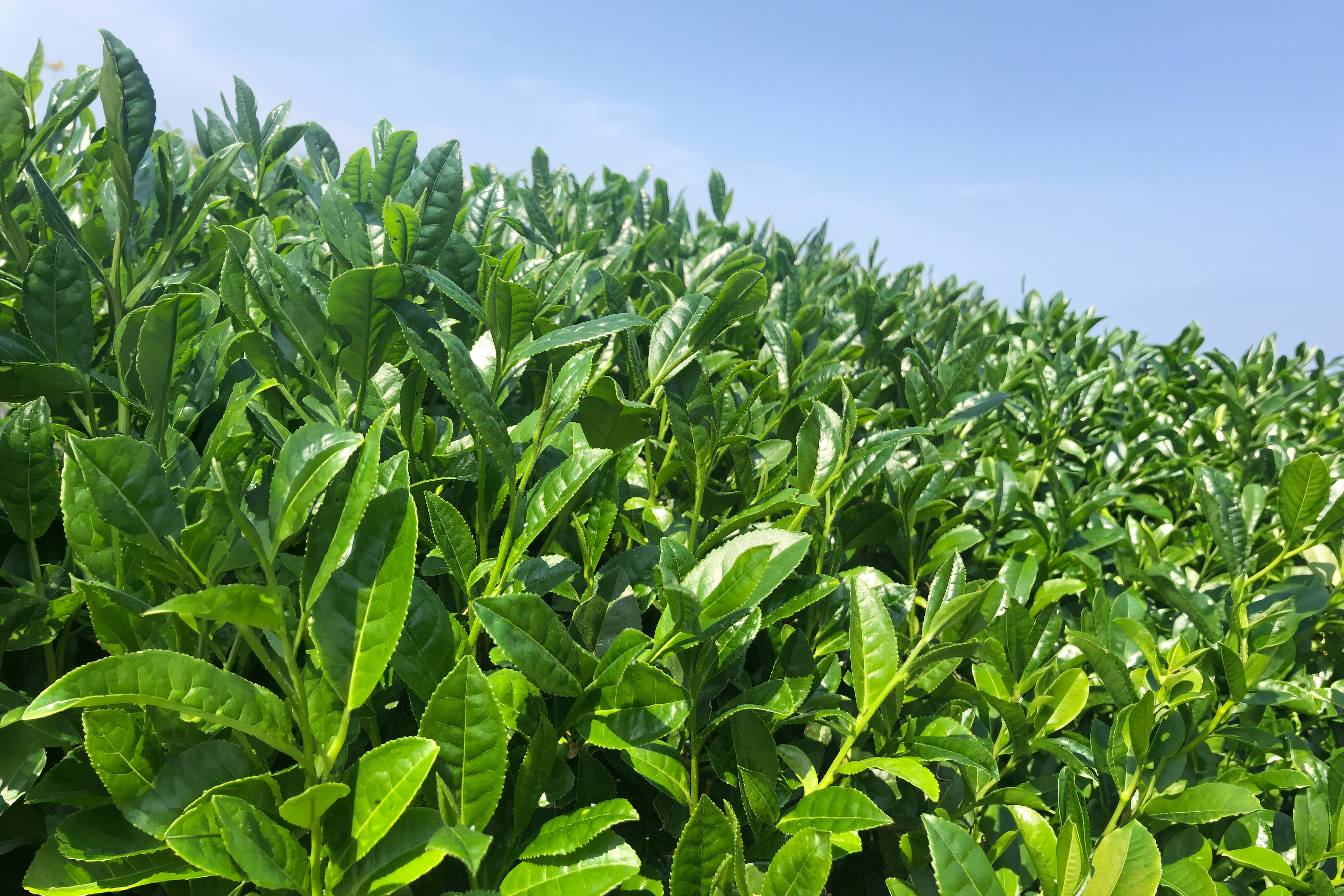
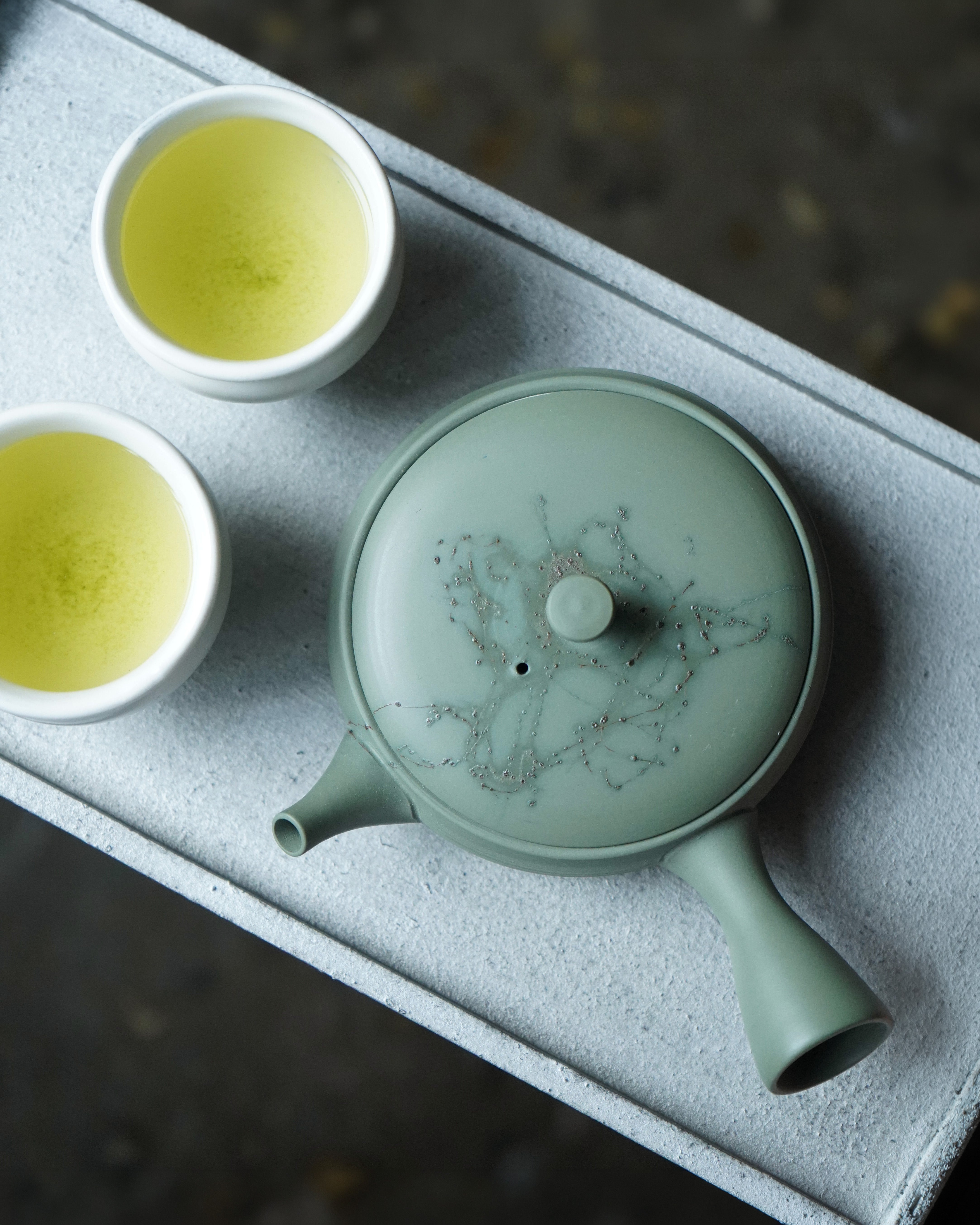
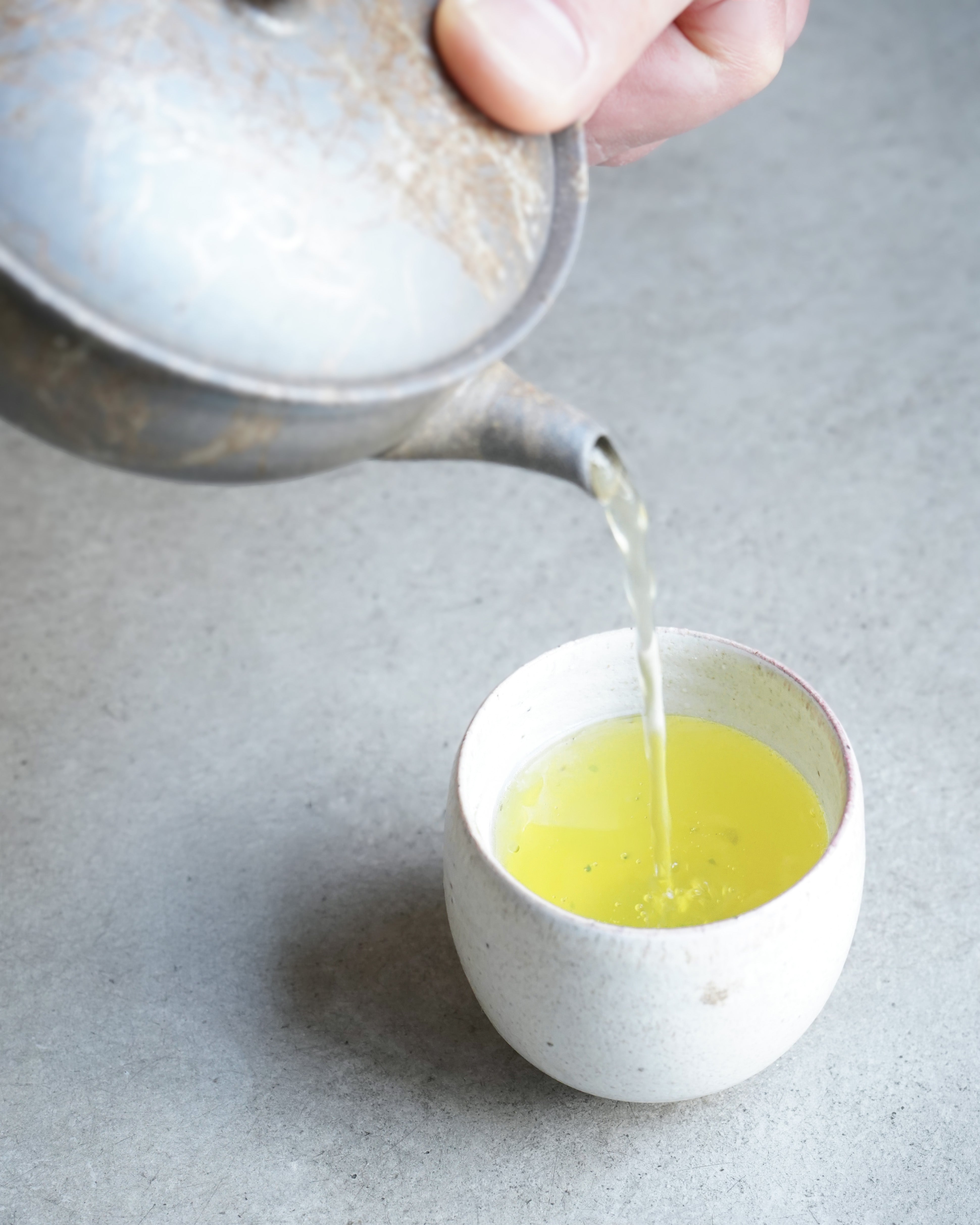
“Shincha” is the first tea of the year, made from the earliest young leaves and prized for its fresh aroma, sweetness, and umami. At YUGEN, we carefully select only the tender leaves picked at the very beginning of the season. The rich aroma that rises from the teapot and the fresh, delicate mouthfeel of first-picked tea make shincha a special pleasure of this season.
The rich taste of shincha comes from the tea plant’s slow endurance through winter. Nutrients stored in the cold soil are drawn into the new leaves as the weather warms. Compared to later harvests, shincha has less bitterness and astringency, and more amino acids, which give it sweetness and umami. Each sip carries a gentle freshness like young spring leaves.
In Japan, enjoying the first tea of the year has long been cherished as a symbol of good health and longevity. More than simply refreshing, it is a tea enjoyed with a sense of seasonal well-being. It is suited both to quiet moments for yourself and as a thoughtful gift for someone special.
・Shincha and Sencha: Two Expressions of the Same Tea Leaf
Sencha is the most widely enjoyed type of Japanese green tea. Among sencha, only the first harvest of the year is called shincha, or “Shincha(new tea)”. It is not a different kind of tea, but a seasonal expression of the same leaf.
The main difference between shincha and sencha lies in the degree of heat processing after harvest. Standard sencha is more fully dried and fired to bring out aroma and depth that can be enjoyed throughout the year. Shincha is finished more lightly to preserve the fresh, vibrant character of the earliest spring leaves.
One highlights the lively freshness of newly picked tea, while the other brings out a deeper aroma suited to everyday enjoyment. By adjusting the final processing to suit the season and the leaf, each reveals its own distinct appeal.
・A Different Side of Shincha: Enjoying It Cold Brewed
A hot cup of tea is always comforting, but when you want something a little different—or when the days begin to grow warmer—shincha is also wonderful as a cold brew.
Because bitter compounds are less easily extracted in cold water, cold brewing brings out a smoother, rounder sweetness than hot brewing. It’s an easy way to enjoy a different side of the same tea leaf.
Ingredients
・Tea leaves: 15 g
・Water: 400 ml
①Place the tea leaves and water in a container.
②Let it steep in the refrigerator for about 2 hours.
*Please adjust the steeping time to your taste, depending on the color and flavor you prefer.
If the tea becomes slightly strong, pouring it over ice will help create a better balance.
・Wazuka, Kyoto — 800 Years of Tea and Morning Mist
Wazuka, a small town in southern Kyoto Prefecture, has been cultivating tea for over 800 years. It is known as one of Japan’s leading tea-producing regions, highly regarded for the quality of its tea in flavor, aroma, and the beautifully needle-shaped form of the leaves.
Surrounded by mountains, Wazuka sits in a basin with a large difference between day and night temperatures. This climate often brings a deep morning mist over the tea fields. More than a beautiful scene, the mist acts like a natural cover, softening the sunlight and creating a gentle environment for the tea plants.
The amino acids that give tea its sweetness and umami can turn into bitter and astringent compounds when exposed to strong sunlight. In Wazuka, however, the morning mist helps protect the leaves from direct sun, allowing them to retain their rich flavor. The land, the climate, and the mist all come together to create tea with a smooth, mellow taste and deep umami.
【 Tea Leaf Storage Instructions 】
・Store unopened tea in a cool, dark place away from direct sunlight, heat, and humidity. For extended storage, keep it sealed, freeze, and let it return to room temperature before opening.
・After opening, place the tea in an airtight, opaque container and keep it in a cool, dark place. For best quality, enjoy as soon as possible, ideally within one month.
・Avoid storing near strongly scented items, as tea easily absorbs odors.
Choose options


How to brew delicious tea
【 Basic Measurements 】
・For 1 serving : 4-6g tea leaves / 100ml hot water
◆ First Brew
Water temperature : 50°C
Steeping time : 2 minutes
Point : Brewing slowly at a low temperature results in almost no bitterness or astringency, allowing the deep umami flavor to shine through.
◆ Second Brew
Water temperature : 60°C
Steeping time : 30 seconds
Point : Slightly increasing the temperature brings out a new layer of aroma and mild astringency, along with a gentle umami taste distinct from the first brew.
→UJIHIKARI (Gyokuro / Kyoto)
【 Basic Measurements 】
・For 1-2 servings : 5g tea leaves / 160ml hot water
・For 3-4 servings : 8g tea leaves / 300ml hot water
◆ First Brew
Water temperature : 85°C
Steeping time : 90 seconds
Point : Enjoy the signature aroma of sencha along with a refreshing bitterness and astringency, balanced by a gentle umami and subtle sweetness.
◆ Second Brew
Water temperature : 85°C
Steeping time : 20-30 seconds
Point : Slightly increasing the temperature enhances the astringency, offering a lighter, more refreshing taste compared to the first infusion.
◆ Third Brew
Water temperature : 95-100°C
Steeping time : 10 seconds
Point : A short steep with boiling water brings out a soft bitterness and astringency, creating a clean, mellow finish.
→ OKUMIDORI (SENCHA / KYOTO)
【 Basic Measurements 】
・For 1-2 servings : 5-6g tea leaves / 160ml hot water
・For 3-4 servings : 8-10g tea leaves / 300ml hot water
◆ First Brew
Water temperature : 65°C
Steeping time : 90 seconds
Point : Brewing at a lower temperature reduces bitterness and astringency, allowing you to fully enjoy kabusecha’s signature “covered aroma” (ooika) and its rich umami flavor.
◆ Second Brew
Water temperature : 85°C
Steeping time : 20-30 seconds
Point : Using hotter water brings out a slightly more astringent profile, offering a new dimension of flavor compared to the first brew.
◆ Third Brew
Water temperature : 95-100°C
Steeping time : 10 seconds
Point : A quick steep with boiling water draws out a gentle bitterness and clean astringency for a refreshing finish.
→GOKO (Kabuse Sencha / Kyoto)